
Islands are defined by a sub-continental land mass that is entirely surrounded by water. Islands come in different shapes, sizes, and locations. The most common type of islands are the continental islands, which lie on the continental shelf and therefore represent just the above-water parts of the continent itself. There are also islands that represent the last above-water parts of “sunk” continents. There are also coral islands, which formed from coral reefs. Lastly, there are fluvial islands which tend to form in rivers and lakes due to erosion and sedimentation effects. The following list ranks all types of islands by size.
Ranking Criteria: The total land size of islands. All types of islands are included in the ranking. Continents (e.g., Australia) are excluded, however.
🎧 Want to listen instead? Check out the podcast episode for the ranking through AllTopEverything’s Inside the Rankings podcast. Scroll down to listen right after the list!

List of the 10 Largest Islands in the World:
Part of: | Geographic location: | Human population on island: | Biggest city on island: | Island size: | |
|---|---|---|---|---|---|
1. Greenland | Denmark | North America | ~ 57,000 | Nuuk | 2,130,800 km² / 822,700 sq mi |
2. New Guinea | Papua New Guinea & Indonesia | Oceania | ~ 15 million | Jayapura | 785,753 km² / 303,381 sq mi |
3. Borneo | Indonesia, Malaysia & Brunei | Southeast Asia | ~ 23 million | Samarinda | 748,168 km² / 288,869 sq mi |
4. Madagascar | Madagascar | East Africa | ~ 32 million | Antananarivo | 587,041 km² / 226,658 sq mi |
5. Baffin Island | Canada | North America | ~ 13,000 | Iqaluit | 507,451 km² / 195,928 sq mi |
6. Sumatra | Indonesia | Southeast Asia | ~ 61 million | Medan | 443,066 km² / 182,812 sq mi |
7. Honshu | Japan | East Asia | ~ 104 million | Toyko | 225,800 km² / 87,200 sq mi |
8. Victoria Island | Canada | North America | ~ 2,000 | Cambridge Bay | 217,291 km² / 83,897 sq mi |
9. Great Britain | United Kingdom | Europe | ~ 66 million | London | 209,331 km² / 80,823 sq mi |
10. Ellesmere Island | Canada | North America | ~ 150 | Grise Fiord | 196,236 km² / 75,767 sq mi |
The ten largest islands in the world by area size. All types of islands are included in the ranking. Continents (e.g., Australia) are not part of the ranking.
1. Greenland
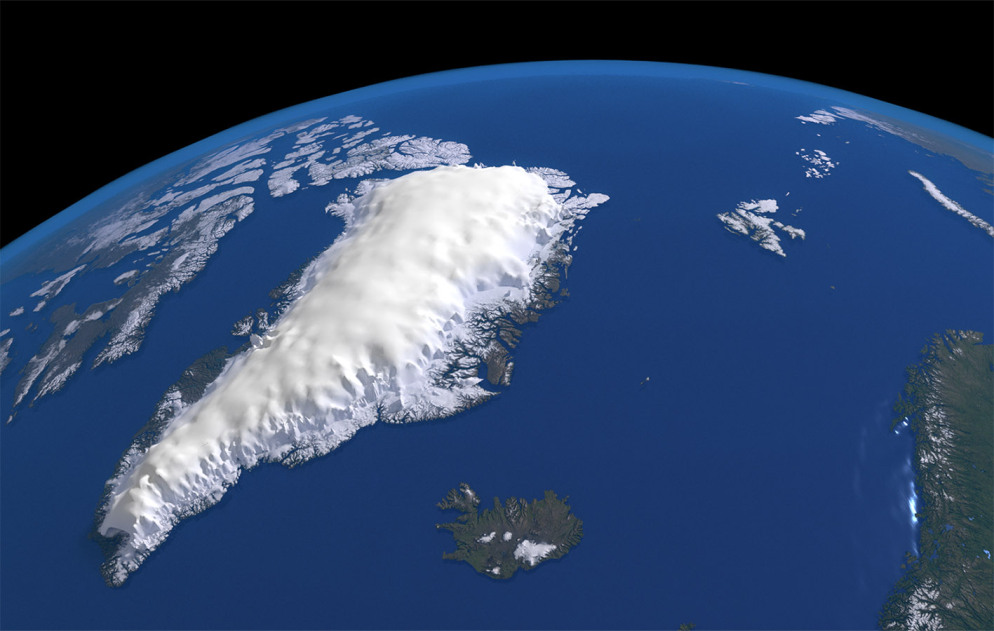
Island size: 2,130,800 km² / 822,700 sq mi
Location: North America (between the Arctic Ocean and the Atlantic Ocean)
Population: 57,000
Part of: Denmark
Greenland is the largest island in the world. With a land mass area of 2,130,800 km² / 822,700 square miles, Greenland spans across both the Arctic and the Atlantic Ocean. While located in North America and largely autonomous, Greenland officially belongs to the Kingdom of Denmark. Despite its huge size, which makes it larger than the vast majority of countries around the world, only around 57,000 people live on the entire island.
Around 80% of the island is covered with the world’s only permanent ice sheet outside of Antarctica. Why is it called Greenland then? That’s how the Vikings named the island after discovering it in the 10th Century. The settlements began in the summer, and Greenland used to be a lot greener back then. The name may have also been chosen for propaganda reasons by the Norwegian-born Viking Erik the Red to attract more settlers to the island.
2. New Guinea

Island size: 785,753 km² / 303,381 sq mi
Location: Oceania (Southwestern Pacific Ocean)
Population: ~ 15 million
Part of: Papua New Guinea / Indonesia
Just north of the country of Australia lies the world’s second-largest island, New Guinea. Part of the Australian continent, New Guinea has a total area size of 785,753 km² / 303,381 square miles. The name of the island was given by the Spanish explorers who arrived on the island in the 16th Century. They saw big similarities between the island’s dark-skinned native population and the people of Guinea in Africa, hence they called the island Nueva Guinea, a.k.a. New Guinea.
Today, New Guinea is politically divided almost exactly down the middle: The Western half belongs to Indonesia, and the Eastern half belongs to the independent country of Papua New Guinea. More than 11 million people live on the island in total. The island is largely covered and characterized by the New Guinea Rainforest, which is the third-largest forest in the world. The island is also the world’s highest island in terms of peak elevation.
3. Borneo
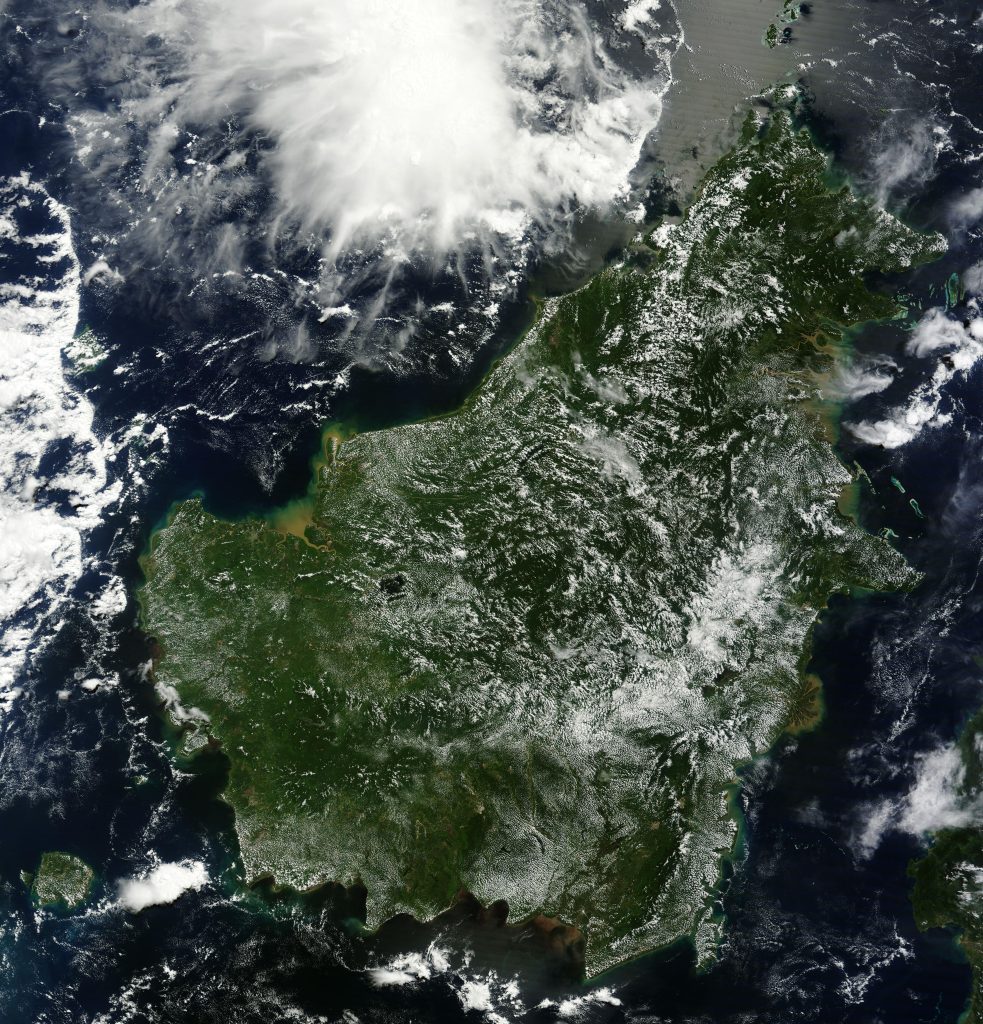
Island size: 748,168 km² / 288,869 sq mi
Location: Southeast Asia (Pacific Ocean)
Population: ~ 23 million
Part of: Indonesia / Malaysia / Brunei
Borneo comes third among the largest islands in the world. At the same time, it is the largest island in Asia. The island has an area of 748,168 km² / 288,869 square miles and lies in the Southeast Asian part of the Pacific Ocean. It is also part of the Greater Sunda archipelago.
The island today is home to over 23 million people. It is politically split between three countries: The biggest part, around 73%, belongs to Indonesia. Malaysia owns 26%, and the rest 1% comprises the entire territory of the independent state of Brunei, which the island is named after.
4. Madagascar
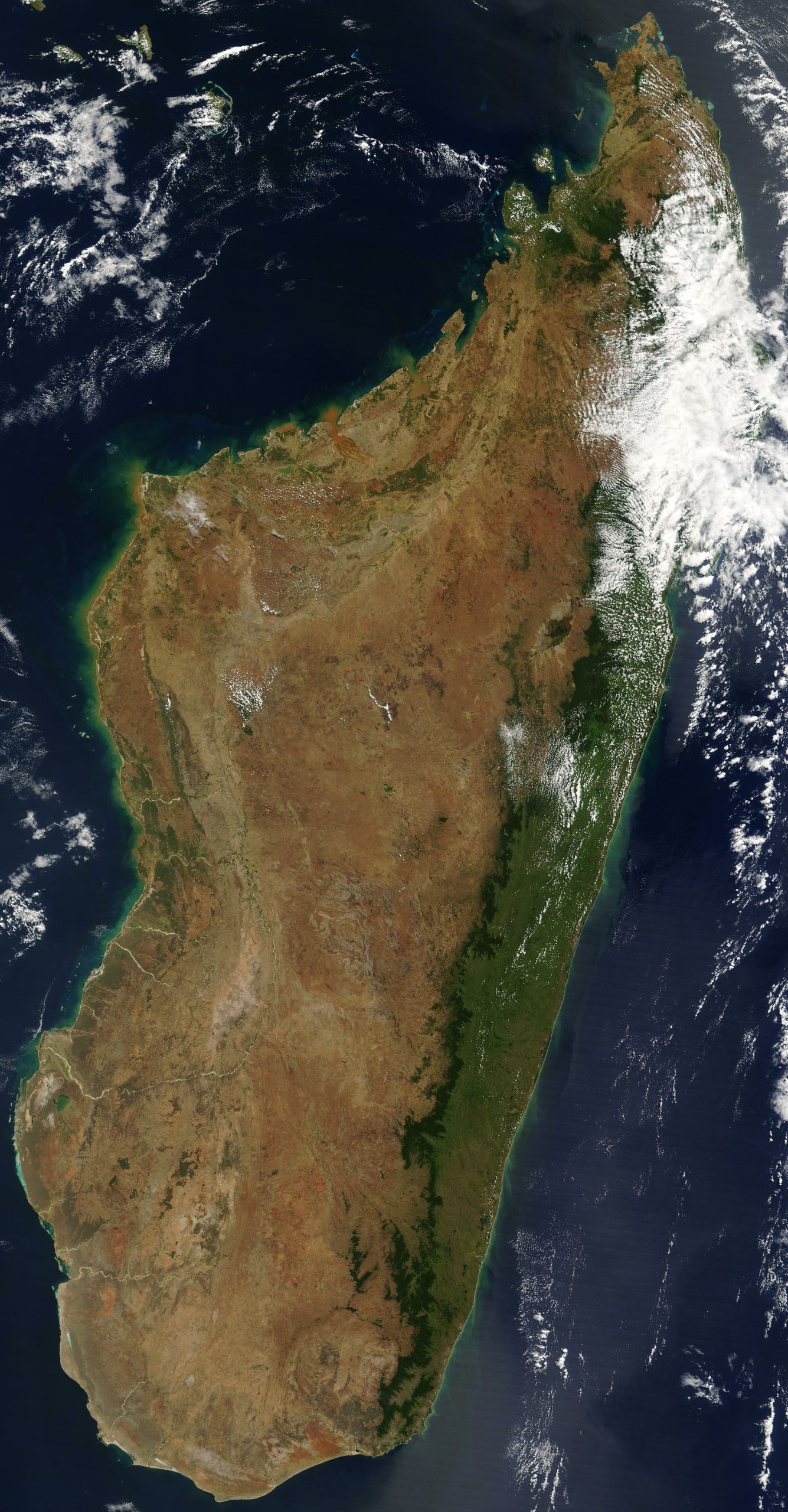
Island size: 587,041 km² / 226,658 sq mi
Location: East Africa (Indian Ocean)
Population: ~ 32 million
Part of: Madagascar
With an area size of 587,041 km² / 226,658 square miles, Madagascar is the largest island in Africa, the largest island in the Indian Ocean, as well as the fourth largest island in the world. It is also the world’s oldest island, having formed around 90 million years ago. Madagascar got its name through a mistake in the 13th Century: Italian explorer Marco Polo mistook the island coast for Mogadishu (the capital of modern-day Somalia on the East African mainland, known as “Magadazo” back then) and wrongly transliterated it as “Madageiscar” which eventually turned into the current official name.
The entire island of Madagascar today belongs to the country of the same name, making Madagascar the second largest island state in the world (after Indonesia, whose territory consists of several islands, however).
5. Baffin Island
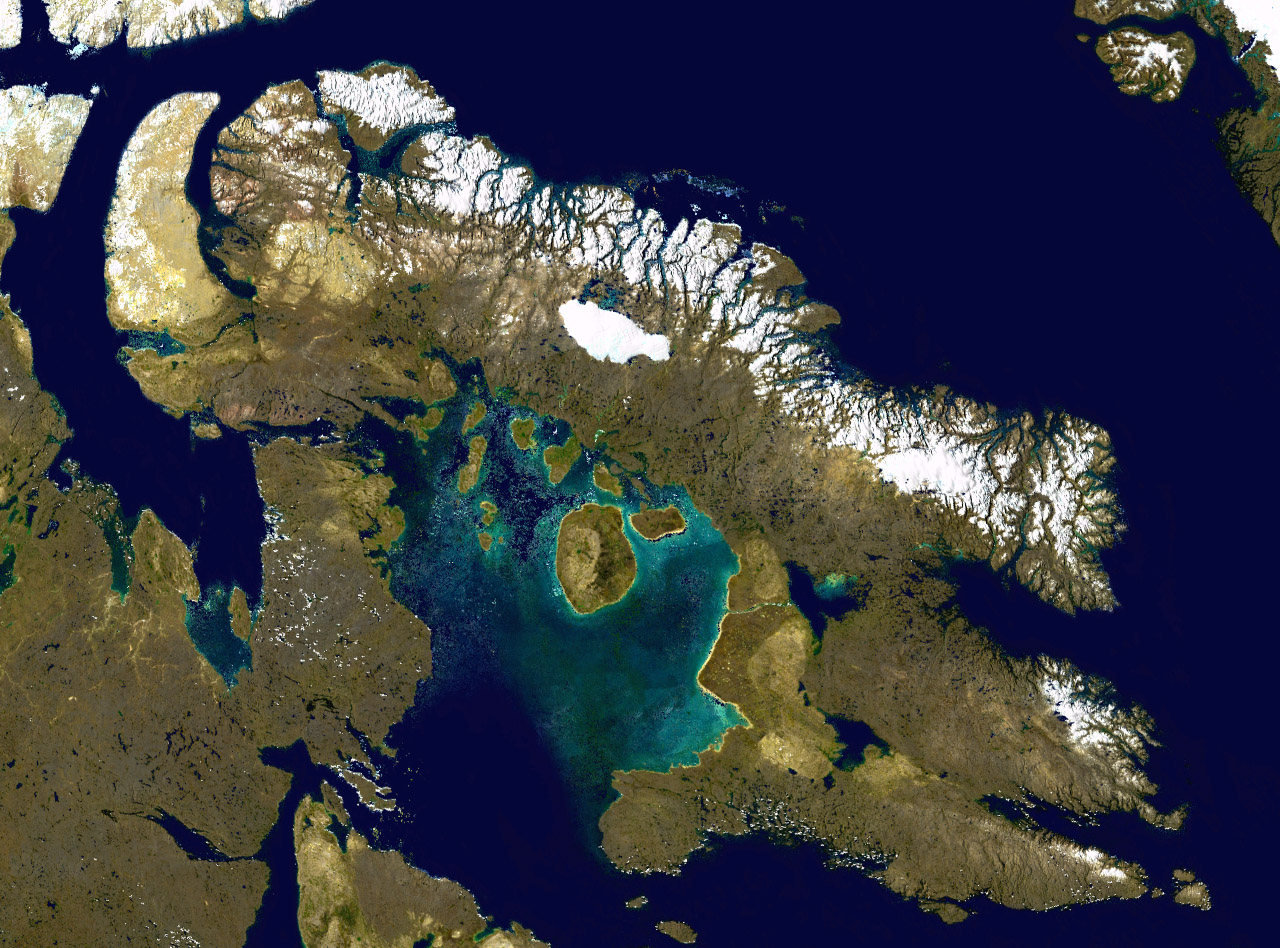
Island size: 507,451 km² / 195,928 sq mi
Location: North America (Arctic Ocean)
Population: ~ 13,000
Part of: Canada
In Northern North America, southwest of the coast of Greenland, lies Baffin Island, the world’s fifth-largest island. It has a land area size of 507,451 km² / 195,928 sq miles and is part of the Arctic archipelago in the Arctic Ocean. The island is named after British explorer William Baffin, who arrived on the island in the 17th Century (though the island was already inhabited by Inuits and previously explored by the Vikings in the 10th Century).
Today, Baffin Island is part of Canada and as such, the country’s by far largest island. Only a bit more than 13,000 people live within the huge island area, however.
6. Sumatra

Island size: 443,066 km² / 182,812 sq mi
Location: Southeast Asia (Pacific Ocean)
Population: ~ 61 million
Part of: Indonesia
Sumatra comes sixth among the largest islands in the world with a total size of 443,066 km² / 182,812 sq mi. The island is located in the Southeast Asian part of the Pacific Ocean, just southwest off the coast of the Malay Peninsula. It is also part of the Greater Sunda archipelago. The name stems from the Sanskrit word “Suwarnadwīpa”, which translates to “Island of Gold”, referring to the many gold deposits the island possessed in the past.
Today, Sumatra wholly belongs to Indonesia, making it the country’s largest island area by size and second-largest by population.
7. Honshu
Island size: 225,800 km² / 87,200 sq mi
Location: East Asia (Sea of Japan / Pacific Ocean)
Population: ~ 104 million
Part of: Japan
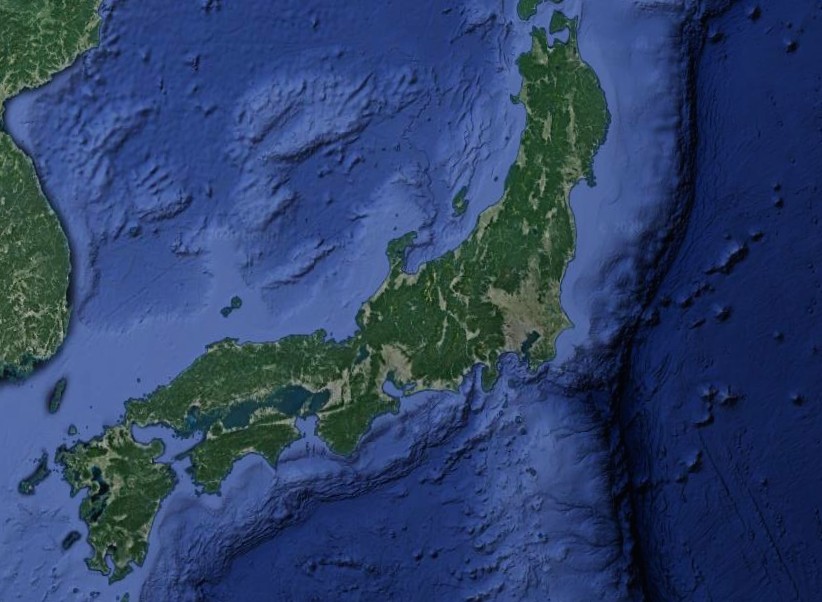
Honshu has a size of 225,800 km² / 87,200 sq mi, which places the island seventh among the largest islands in the world. The island is located in East Asia, surrounded by the Sea of Japan to its West and the Pacific Ocean to its East. It wholly belongs to Japan and forms the country’s main part, making it the second-most populated island on the planet. The island is also the by far biggest island of the Japanese archipelago to which it belongs.
The name of the island is Japanese and translates to “Main Province”. An apt name for Japan’s by far largest island both in terms of size and population. 104 million people, around 82% of Japan’s total population, live on the island of Honshu, which also includes Greater Tokyo, the most populous metropolitan area in the world.
8. Victoria Island
Island size: 217,291 km² / 83,897 sq mi
Location: North America (Arctic Ocean)
Population: ~ 2,200
Part of: Canada
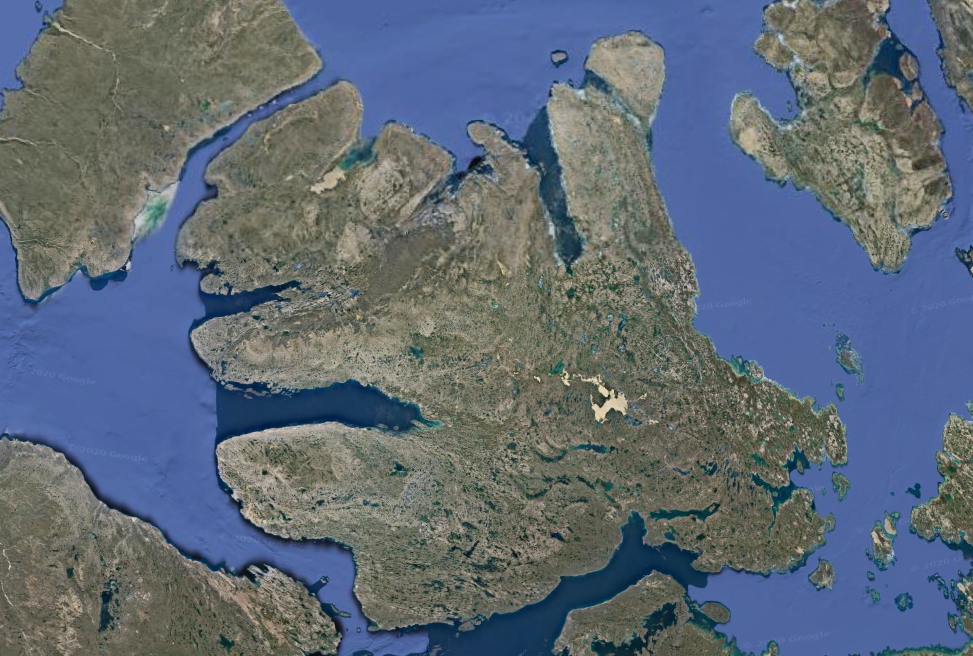
Victoria Island is the eighth-largest island in the world with an area size of 217,291 km² / 83,897 sq mi. The island lies in Northern North America, surrounded by the Arctic Ocean, and is part of the Arctic archipelago. The island is named in honor of Queen Victoria, the Queen of the United Kingdom in much of the 19th Century, to which Canada also belonged as a colony.
Today, the island wholly belongs to Canada. Only around 2,200 people live on the island. The island also includes the world’s largest island within an island’s island.
9. Great Britain
Island size: 209,331 km² / 80,823 sq mi
Location: Europe (Atlantic Ocean / North Sea)
Population: ~ 66 million
Part of: United Kingdom
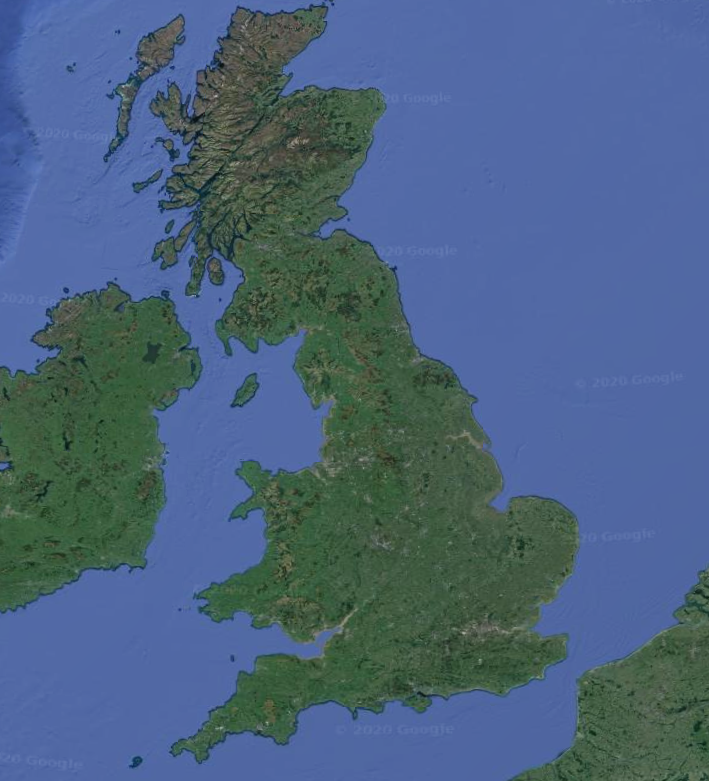
Great Britain is the ninth-largest island in the world and the largest island in Europe. It has a size of 209,331 km² / 80,823 sq mi, lying between the North Atlantic Ocean and the North Sea, which are connected through the narrow so-called English Channel to the southeast of the island. The name stems from the Latin name for the native inhabitants of the island when the Romans conquered most of it in the 1st Century: The Britons. The ‘Great’ part of the island’s name was to distinguish it from the smaller neighboring island, which is now known as Ireland, but back then was also referred to as (Little) Britain.
Great Britain entirely belongs to the United Kingdom, although it is split into three entities within the UK: England, Scotland, and Wales. Around 66 million people live on the island, making it by far the most populated island outside of Asia.
10. Ellesmere Island
Island size: 196,236 km² / 75,767 sq mi
Location: North America (Arctic Ocean)
Population: ~ 150
Part of: Canada
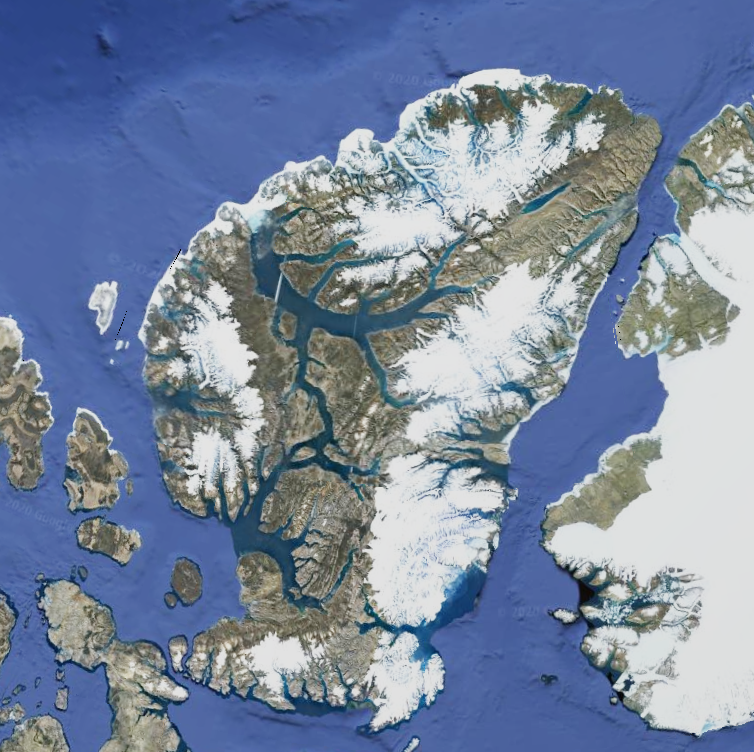
Ellesmere Island concludes the ranking of the ten largest islands in the world. With an area size of 196,236 km² / 75,767 sq mi, Ellesmere Island is another big island lying in the Arctic archipelago. Not only does the island lie in Northern North America, but the island’s northernmost point also represents the northernmost point of Canada and one of the northernmost points on Earth. The Arctic island is named in honor of Francis Egerton, 1st Earl of Ellesmere, a British nobleman, politician, writer, and passionate traveler.
The island wholly belongs to Canada. The island is inhabited by around 150 people, making Ellesmere Island the most sparsely populated island among the largest islands in the world.
Inside the Ranking
Get the full story behind the list in audio version. Dive deeper into the data, trends, and behind-the-scenes insights through the Inside the Rankings AI podcast by AllTopEverything:
Ranking Summary: The 10 Largest Islands in the World
The ten largest islands in the world as of April 2025. Key details for each island include:
- Greenland (1st):
- Size: 2,130,800 km² / 822,700 sq mi
- Location: North America (between the Arctic and Atlantic Oceans)
- Part of: Denmark
- Population: ~ 57,000
- Biggest City: Nuuk
- Key Facts: The largest island globally, with approximately 80% covered by an ice sheet. Its name, given by Vikings in the 10th century, may reflect a greener past or be a result of “propaganda” spread by Viking Leader Erik the Red to attract more settlers.
- New Guinea (2nd):
- Size: 785,753 km² / 303,381 sq mi
- Location: Oceania (Southwestern Pacific Ocean)
- Part of: Papua New Guinea & Indonesia
- Population: ~ 15 million
- Biggest City: Jayapura
- Key Facts: Part of the Australian continent and politically divided between Indonesia (western half) and Papua New Guinea (eastern half). Named by Spanish explorers due to perceived similarities between the native population and people from Guinea in Africa. Characterized by the New Guinea Rainforest, the third-largest rainforest in the world. It is also the world’s highest island in terms of peak elevation.
- Borneo (3rd):
- Size: 748,168 km² / 288,869 sq mi
- Location: Southeast Asia (Pacific Ocean)
- Part of: Indonesia, Malaysia & Brunei
- Population: ~ 23 million
- Biggest City: Samarinda
- Key Facts: The largest island in Asia, part of the Greater Sunda archipelago. Politically split between Indonesia (largest part, ~73%), Malaysia (~26%), and Brunei (~1%), after which the island is named.
- Madagascar (4th):
- Size: 587,041 km² / 226,658 sq mi
- Location: East Africa (Indian Ocean)
- Part of: Madagascar
- Population: ~ 32 million
- Biggest City: Antananarivo
- Key Facts: The largest island in Africa and the Indian Ocean, and the world’s fourth-largest. It is also the world’s oldest island, having formed around 90 million years ago. Its name is widely believed to have originated from a mistake in the 13th Century by Italian explorer Marco Polo, who confused it with Mogadishu. The entire island constitutes the country of Madagascar, making it the second-largest island state after Indonesia.
- Baffin Island (5th):
- Size: 507,451 km² / 195,928 sq mi
- Location: North America (Arctic Ocean)
- Part of: Canada
- Population: ~ 13,000
- Biggest City: Iqaluit
- Key Facts: Located southwest of Greenland and part of the Arctic archipelago. Named after British explorer William Baffin. While explored by Vikings earlier, Baffin arrived in the 17th century. It is the largest island of Canada, while also being among the least densely (human) populated islands in the world.
- Sumatra (6th):
- Size: 443,066 km² / 182,812 sq mi
- Location: Southeast Asia (Pacific Ocean)
- Part of: Indonesia
- Population: ~ 61 million
- Biggest City: Medan
- Key Facts: Part of the Greater Sunda archipelago. Its name derives from the Sanskrit “Suwarnadwīpa,” meaning “Island of Gold,” referencing the island’s historically rich gold deposits. Wholly belongs to Indonesia, making it the country’s largest island by size and second-largest by population (after Java).
- Honshu (7th):
- Size: 225,800 km² / 87,200 sq mi
- Location: East Asia (Sea of Japan / Pacific Ocean)
- Part of: Japan
- Population: ~ 104 million
- Biggest City: Tokyo
- Key Facts: Located in East Asia and entirely part of Japan, forming the country’s mainland. Its Japanese name translates to “Main Province,” reflecting its significance as Japan’s core population center. Honshu is the second-most populated island globally (after Java in Indonesia), hosting approximately 82% of Japan’s total population. It is also home to the world’s most populous metropolitan area: The Greater Tokyo metropolitan area.
- Victoria Island (8th):
- Size: 217,291 km² / 83,897 sq mi
- Location: North America (Arctic Ocean)
- Part of: Canada
- Population: ~ 2,200
- Biggest City: Cambridge Bay
- Key Facts: Located in the Arctic archipelago and named in honor of Queen Victoria. Wholly belongs to Canada and has a very low population density. Notably, it also includes the world’s largest island within an island’s island.
- Great Britain (9th):
- Size: 209,331 km² / 80,823 sq mi
- Location: Europe (Atlantic Ocean / North Sea)
- Part of: United Kingdom
- Population: ~ 66 million
- Biggest City: London
- Key Facts: The by far largest island in Europe. Its name originates from the Latin term for its native inhabitants, the Britons. The “Great” part distinguishes it from the smaller neighboring island of Ireland. Entirely belongs to the United Kingdom but is divided into England, Scotland, and Wales. Great Britain is also the by far most populated island outside of Asia.
- Ellesmere Island (10th):
- Size: 196,236 km² / 75,767 sq mi
- Location: North America (Arctic Ocean)
- Part of: Canada
- Population: ~ 150
- Biggest City: Grise Fiord
- Key Facts: Located in the Arctic archipelago, Ellesmere Island’s northernmost point is also Canada’s northernmost point. The island is named in honor of British explorer Francis Egerton, 1st Earl of Ellesmere. It wholly belongs to Canada and is the most sparsely populated among the top ten largest islands in the world.
FAQs on the 10 Largest Islands in the World
1. How is an island defined, and what types of islands are there?
An island is defined as a sub-continental land mass entirely surrounded by water. Continental islands lie on the continental shelf and are essentially the above-water parts of a continent. Some islands also represent the last remaining parts of sunk continents. Coral islands are formed from coral reefs. Lastly, fluvial islands develop in rivers and lakes due to erosion and sedimentation. This ranking includes all these types of islands based on their total land size, while excluding continents like Australia.
2. What is the largest island in the world, and what are some of its key characteristics?
Greenland holds the title of the world’s largest island, with a land size of 2,130,800 km² or 822,700 sq mi, making it more than twice as large as the world’s second-largest island (New Guinea). Located in North America between the Arctic and Atlantic Oceans, it is an overseas territory of Denmark with a population of around 57,000. Despite its name, approximately 80% of Greenland is covered by a permanent ice sheet, the only one outside of Antarctica. Its name, given by Vikings, may have been for promotional purposes or because the island was indeed greener when first settled.
3. Which island is the second largest globally, and what are some of its key characteristics?
New Guinea is the second-largest island in the world, with an area of 785,753 km² or 303,381 sq mi. Situated in Oceania, just north of Australia, it is part of the Australian continent. Politically, New Guinea is divided almost exactly in half: the western part belongs to Indonesia, while the eastern part forms the independent country of Papua New Guinea. The island is known for the New Guinea Rainforest, the world’s third-largest, and for being the highest island in terms of peak elevation.
4. What is the largest island in Asia?
Borneo is the largest island in Asia with an area of 748,168 km² or 288,869 sq mi. It is located in Southeast Asia, more precisely. Its territory is politically divided among three countries: Indonesia, which holds the largest portion (around 73%), Malaysia (approximately 26%), and the independent state of Brunei (about 1%), after which the island is named.
5. What is the largest island in Europe, and what are some of its key characteristics??
Great Britain is the largest island in Europe. It is also the ninth-largest island globally with an area of 209,331 km² or 80,823 sq mi. Politically, it is entirely part of the United Kingdom, though it is further divided into England, Scotland, and Wales. Approximately 66 million people reside on the island, making it the most populated island outside of Asia. The name originates from the Latin term for its early inhabitants, the Britons. The addition of “Great” served to distinguish it from the smaller neighboring island of Ireland, which was also referred to as (Little) Britain by the Romans.
6. What makes Madagascar unique among the world’s largest islands?
Madagascar, the world’s fourth-largest island, holds several unique distinctions. It is the largest island in Africa and the Indian Ocean, and it is considered the world’s oldest island, having formed around 90 million years ago. This also contributes to making Madagascar one of the most biologically diverse places on Earth. Interestingly, its name originated from a misidentification by Italian explorer Marco Polo. The entire island constitutes the country of Madagascar, making it the second-largest island state (after Indonesia).
7. Which of the top ten largest islands has the highest human population, and which has the lowest?
Honshu, the seventh-largest island located entirely within Japan, has the highest population among the top ten, with approximately 104 million residents. This makes it the second-most populated island on Earth (after the island of Java in Indonesia). In contrast, Ellesmere Island, the world’s tenth-largest island and part of Canada, has the lowest population with only around 150 people, making it the most sparsely populated among these large islands.
8. Several of the largest islands belong to Canada. Which ones are they, and what are some of their characteristics?
Canada claims three of the top ten largest islands: Baffin Island (5th), Victoria Island (8th), and Ellesmere Island (10th), all of which are located entirely within Canada. Baffin Island is located southwest of Greenland and is Canada’s largest island, though sparsely populated with around 13,000 people. Victoria Island lies in the Arctic Ocean and is notable for containing the world’s largest island within an island’s island; its population is also very low at about 2,200. Ellesmere Island is Canada’s northernmost point and is the most sparsely populated among the top ten, with only around 150 inhabitants.
Sources for Ranking:
UN; Sources for Images: Google Earth


