Cars come in many colors, sizes, forms, and speeds. But cars also very much vary in their price class. Most cars are produced and sold for and to the average driver to use in his/her everyday life. But then there are also the exclusive luxury cars that are specifically produced for a very selected circle of ultra rich car enthusiasts. These most expensive cars in the world tend to be highly exclusive, oftentimes one-off models, and feature the highest level of luxury and/or performance. This, of course, has its price though. Nothing goes for under a million.
The following ranking lists the most expensive cars in the world and of all time by highest confirmed sales prices.
Ranking Criteria & Methodology
The ranking of the ten most expensive cars in the world is compiled based on the highest confirmed sales price a car achieved upon its initial release. All types of street-legal civilian-use cars are eligible for the ranking, excluding medium and heavy duty trucks, race cars, military vehicles, other vehicles not designed for private use and auctioned classic cars.
Note: This ranking lists the ten most expensive cars in the world. There are separate rankings for the best-selling cars of all time, the largest car companies in the world and the best electric cars in the world.
The 10 Most Expensive Cars in the World (2025):
1. Rolls-Royce Droptail
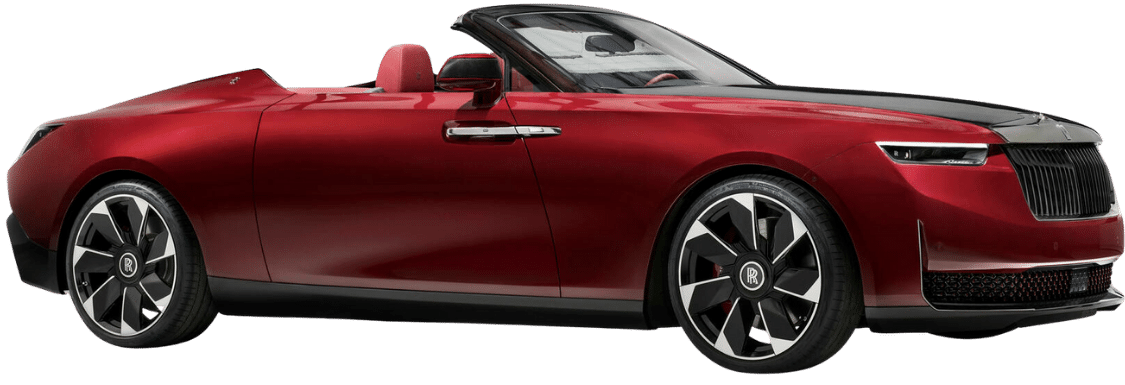
Rolls-Royce Droptail
Price per car: $32.0 million
Year of initial release: 2023
Manufacturer: Rolls-Royce Motor Cars (subsidiary of BMW Group)
Type of car: Coachbuilt Grand Tourer
Production years: 2023 – present
Production country: United Kingdom
Production units: 3 (+1 more planned)
Key facts:
– The most expensive car in the world.
– Powered by a variant of BMW’s N74 engine.
– Comes in 3 different variants: La Rose Noire, Amethyst & Arcadia.
– Comes with custom-made luxury watches: Audemars Piguet (La Rose Noire), Vacheron Constantin (Amethyst) & a custom Roll-Royce clock (Arcadia).
– Features integrated refrigerators, and exclusive hand-matched wood veneers
– Commissioned by an anonymous family.
2. Rolls-Royce Boat Tail
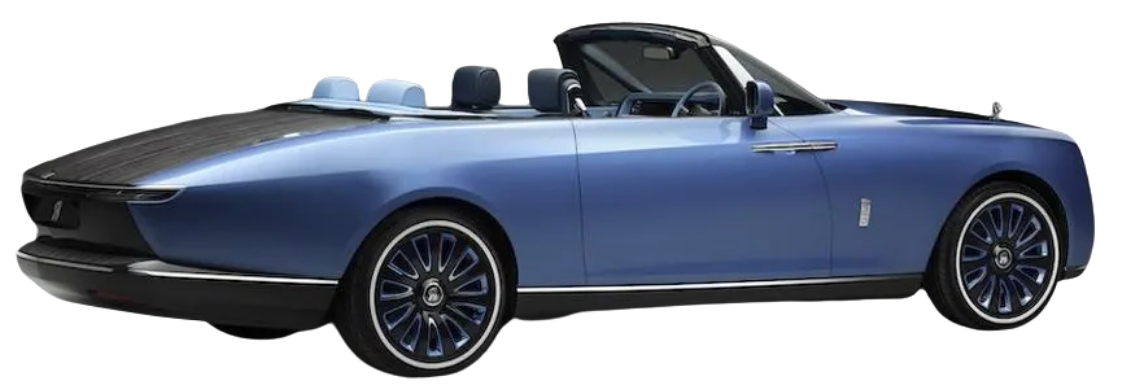
Rolls-Royce Boat Tail
Price per car: $28.0 million
Year of initial release: 2021
Manufacturer: Rolls-Royce Motor Cars (subsidiary of BMW Group)
Type of car: Coachbuilt Grand Tourer
Production years: 2021-2022
Production country: United Kingdom
Production units: 3
Key facts:
– Inspired by the 1910s Rolls-Royce Limited car design as well as yachts of the 1920s and 1930s.
– Rear deck transformable into a hosting suite with two champagne fridges and a parasol.
– Comes with a pair of custom-made Bovet Fleurier luxury watches.
– Owners include American rapper Jay-Z, Argentinian footballer Mauro Icardi and an anonymous businessman.
3. Bugatti La Voiture Noire
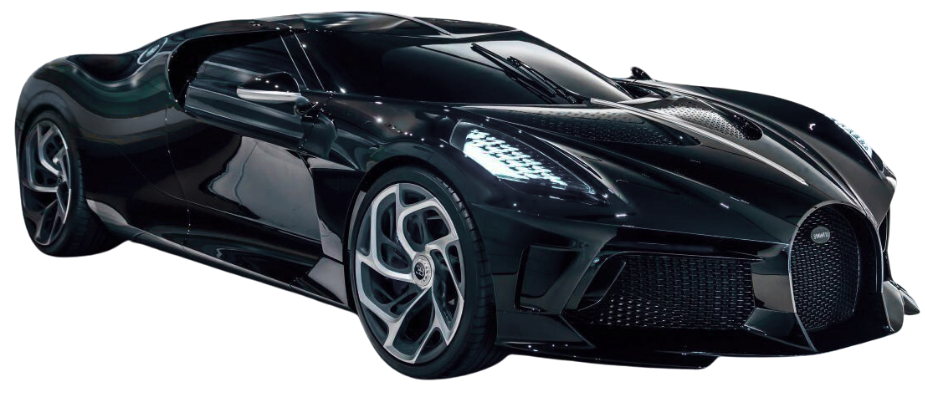
Bugatti La Voiture Noire
Price per car: $18.7 million
Year of initial release: 2019
Manufacturer: Bugatti Automobiles (subsidiary of Bugatti Rimac d.o.o.)
Type of car: Sports Car / Hypercar
Production years: 2019
Production country: France
Production units: 1
Key facts:
– Most expensive sports car and hypercar in the world.
– Translates to “The Black Car”.
– Based on the Bugatti Chiron.
– Powered by a Bugatti W16 engine
– Top speed of 420 kmh / 261 mph.
– Anonymous owner.
4. Pagani Zonda HP Barchetta
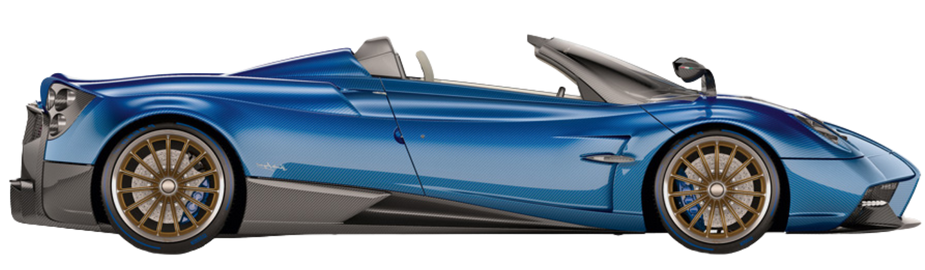
Pagani Zonda HP Barchetta
Price per car: $17.5 million
Year of initial release: 2017
Manufacturer: Pagani Automobili S.p.A.
Type of car: Hypercar
Production years: 2017
Production country: Italy
Production units: 3
Key facts:
– Built in celebration of the 60th birthday of Horacio Pagani, the founder and owner of Pagani Automobili.
– Powered by a Mercedes-AMG V12 engine.
– Top speed of 355 kmh / 221 mph.
– Owners include Horacio Pagani, TopCar Design owner Oleg Egorov and a third anonymous owner.
5. Rolls-Royce Sweptail
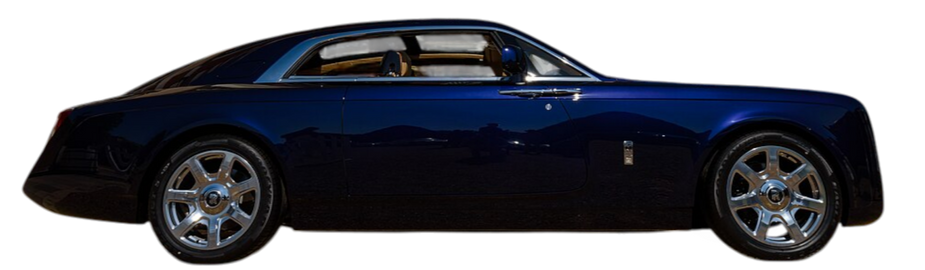
Rolls-Royce Sweptail
Price per car: $12.8 million
Year of initial release: 2018
Manufacturer: Rolls-Royce Motor Cars (subsidiary of BMW Group)
Type of car: Coachbuilt Grand Tourer
Production years: 2017
Production country: United Kingdom
Production units: 1
Key facts:
– Designed inspired by the Coachbuilder cars of the 1920s and 1930s.
– Interior entirely built from luxurious materials, including Macassar Ebony and open-pore Paldao, Moccasin and Dark Spice leather, and precision-machined titanium.
– Featuring a center console that includes a built-in mechanism for a champagne chiller and glasses.
– Anonymous owner.
6. Bugatti Chiron Profilée
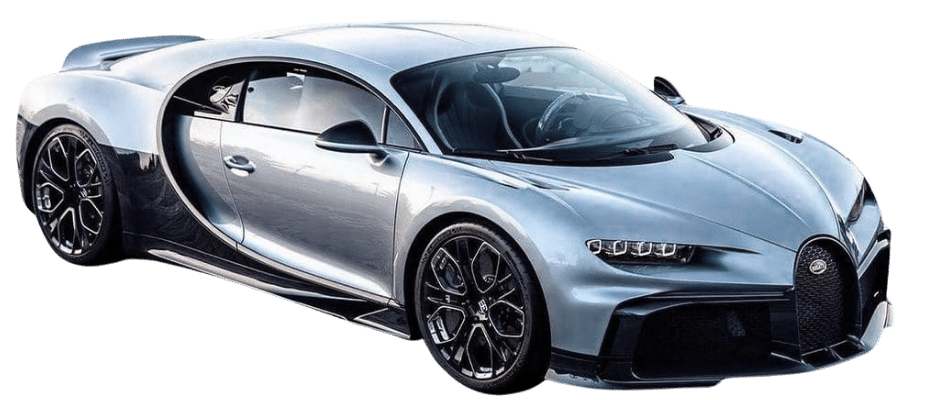
Bugatti Chiron Profilée
Price per car: $10.7 million
Year of initial release: 2023
Manufacturer: Bugatti Automobiles (subsidiary of Bugatti Rimac d.o.o.)
Type of car: Sports Car / Hypercar
Production years: 2022
Production country: France
Production units: 1
Key facts:
– Final car of the Bugatti Chiron series.
– Design heavily based on the Chiron Pur but with several details redesigned and shorter gear ratios.
– Powered by a Bugatti W16 engine.
– Top speed of 380 kmh / 236 mph.
– Fastest-accelerating of the Chiron cars, going from 0 to 100 kmh / 62 mph in just 2.3 seconds.
– Anonymous owner.
7. Bugatti Centodieci
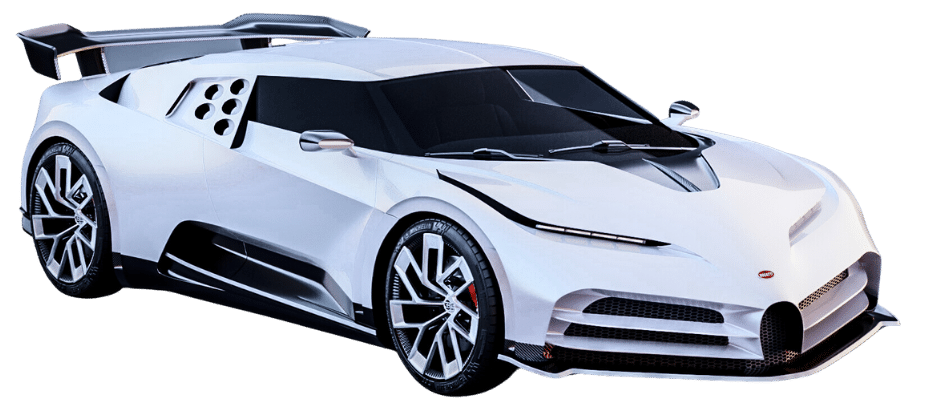
Bugatti Centodieci
Price per car: $9.0 million
Year of initial release: 2022
Manufacturer: Bugatti Automobiles (subsidiary of Bugatti Rimac d.o.o.)
Type of car: Sports Car / Hypercar
Production years: 2022
Production country: France
Production units: 10
Key facts:
– World’s most expensive car with double-digit production units.
– Translates to “One hundred and ten”.
– Built as a hommage to the Bugatti EB 110.
– Design based on the Bugatti Chiron.
– Powered by a Bugatti W16 engine.
– Top speed of 380 kmh / 236 mph.
– Owners include Portuguese footballer Cristiano Ronaldo, French businessman Francois Perrodo, and American businessman Scott Blattner.
8. Maybach Exelero
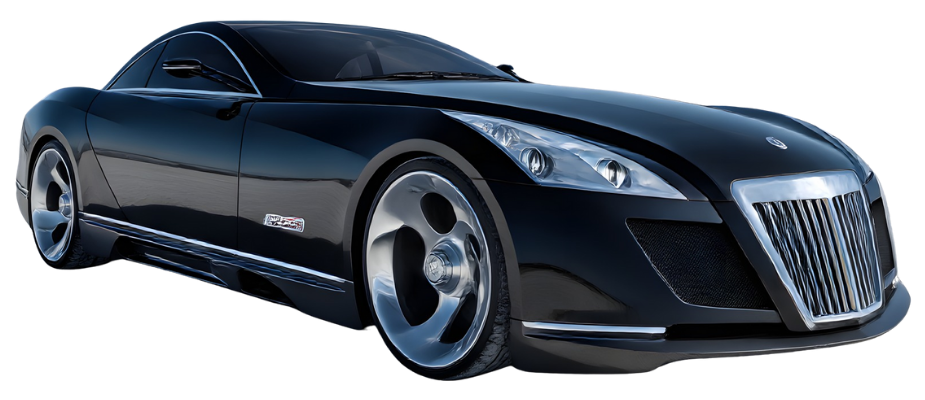
Maybach Exelero
Price per car: $8.0 million
Year of initial release: 2005
Manufacturer: Mercedes-Benz Group
Type of car: Sports Car / Supercar
Production years: 2004
Production country: Germany
Production units: 1
Key facts:
– Most expensive supercar in the world.
– Designed by Italian concept car design company Stola.
– Powered by a Mercedes M285 V12 engine.
– Top speed of 351 kmh / 218 mph.
– Currently owned by the National Auto Museum in Germany.
9. Pagani Huayra Codalunga
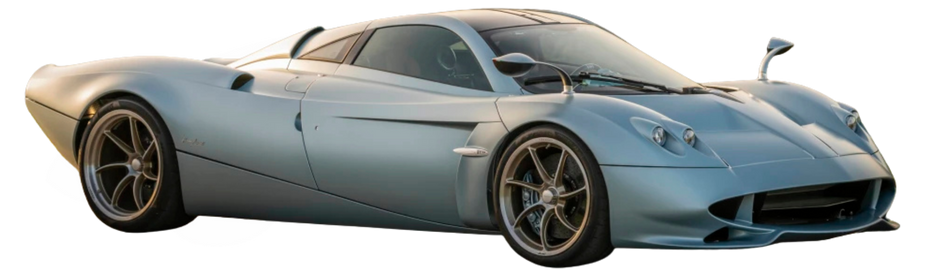
Pagani Huayra Codalunga
Price per car: $7.4 million
Year of initial release: 2022
Manufacturer: Pagani Automobili S.p.A.
Type of car: Sports Car / Hypercar
Production years: 2022
Production country: Italy
Production units: 5
Key facts:
– Special version of the Pagani Huayra.
– Built as a homage to the Porsche 917, Horacio Pagani’s favorite car.
– Powered by a Mercedes-AMG V12 engine.
– Top speed of 349 kmh / 217 mph.
– Anonymous owners.
10. Bugatti Divo
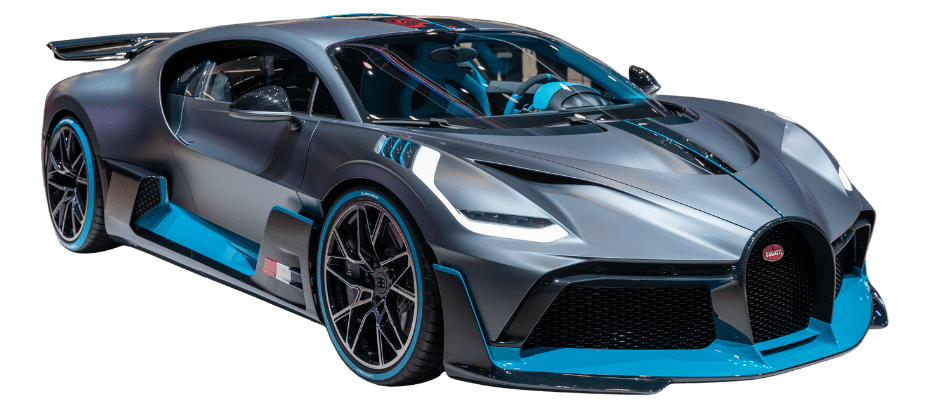
Bugatti Divo
Price per car: $5.8 million
Year of initial release: 2019
Manufacturer: Bugatti Automobiles (subsidiary of Bugatti Rimac d.o.o.)
Type of car: Sports Car / Hypercar
Production years: 2019-2021
Production country: France
Production units: 40
Key facts:
– Inspired by the Bugatti Type 57 Atlantic & the Bugatti Vision Gran Turismo.
– Named after French race driver Albert Divo, who raced for Bugatti in the 1920s.
– Powered by a Bugatti W16 engine.
– Top speed of 380 kmh / 236 mph.
– Sold exclusively to Bugatti Chiron owners.
Top 10 Most Expensive Cars in the World (2025): Overview
Click to expand/collapse
Initial release: | Manufacturer: | Type of car: | Price per car: | |
|---|---|---|---|---|
1. Rolls-Royce Droptail | 2023 | Rolls-Royce Motor Cars (UK) | Coachbuilt Grand Tourer | $32.0 million |
2. Rolls-Royce Boat Tail | 2021 | Rolls-Royce Motor Cars (UK) | Coachbuilt Grand Tourer | $28.0 million |
3. Bugatti La Voiture Noire | 2019 | Bugatti Automobiles (France) | Sports Car / Hypercar | $18.7 million |
4. Pagani Zonda HP Barchetta | 2017 | Pagani Automobili (Italy) | Sports Car / Hypercar | $17.5 million |
5. Rolls-Royce Sweptail | 2018 | Rolls-Royce Motor Cars (UK) | Coachbuilt Grand Tourer | $12.8 million |
6. Bugatti Chiron Profilée | 2023 | Bugatti Automobiles (France) | Sports Car / Hypercar | $10.7 million |
7. Bugatti Centodieci | 2022 | Bugatti Automobiles (France) | Sports Car / Hypercar | $9.0 million |
8. Maybach Exelero | 2005 | Mercedes-Benz Group (Germany) | Sports Car / Supercar | $8.0 million |
9. Pagani Huayra Codalunga | 2022 | Pagani Automobili (Italy) | Sports Car / Hypercar | $7.4 million |
10. Bugatti Divo | 2019 | Bugatti Automobiles (France) | Sports Car / Hypercar | $5.8 million |
The ten most expensive cars in the world by highest confirmed sales price per car. Only street-legal civilian cars are eligible for the ranking, excluding medium and heavy duty trucks, race cars, military vehicles, other vehicles not designed for private use and auctioned classic cars Prices are converted to U.S. Dollars.
Top 10 Most Expensive Cars in the World (2025): Chart
Click to expand/collapse

Top 10 Most Expensive Cars in the World (2025): Summary
Click to expand/collapse
The global automotive market is vast, but at its zenith exists a segment governed by entirely different principles. The world of the most expensive cars is the world of ultra-luxury and hypercars, a domain defined not by mass-market appeal, but by its exclusive service to a very selected rich circle of ultra wealthy car enthusiasts. These vehicles are characterized by spectacular design, elite performance, and price points that are invariably over one million dollars. They represent the pinnacle of automotive engineering and bespoke craftsmanship, where the vehicle is as much a commissioned work of art as it is a mode of transportation.
Market Segmentation by Vehicle Archetype
Strategic market segmentation is crucial to understanding the nuanced buyer motivations within the ultra-luxury sector. The most expensive cars in the world are not monolithic. They fall into distinct archetypes that cater to different desires, whether for unparalleled bespoke luxury or for the absolute limits of performance. The two dominant archetypes identified from the market’s most valuable vehicles are Coachbuilt Grand Tourers and High-Performance Hypercars.
Coachbuilt Grand Tourers: The Epitome of Bespoke Luxury
This segment is defined by a deep focus on personalization, historical design reverence, and the seamless integration of non-automotive luxury goods. As exemplified by the Rolls-Royce Droptail, Boat Tail, and Sweptail, these vehicles are one-of-a-kind commissions that prioritize artistry and client-specific narratives over pure performance metrics. They are modern interpretations of the classic coachbuilding era, designed for comfort, presence, and unparalleled exclusivity.
The defining characteristics of this segment include:
• Bespoke Craftsmanship: Vehicles are frequently inspired by classic designs from the 1910s, 1920s, and 1930s. The interiors are showcases of material mastery, featuring luxurious and rare materials such as Macassar Ebony, open-pore Paldao, and exquisite leathers.
• Integrated Luxury Goods: These cars often incorporate unique, non-automotive luxury items as part of the commission. Examples include custom-made timepieces from elite watchmakers like Audemars Piguet, Vacheron Constantin, and Bovet Fleurier, as well as integrated amenities like bespoke champagne chillers and hosting suites.
• Dominant Manufacturer: Within the top echelon of this market, Rolls-Royce Motor Cars, a subsidiary of the BMW Group, stands as the sole manufacturer represented, cementing its position as the leader in modern coachbuilding.
Hypercars & Supercars: The Pursuit of Ultimate Performance
This segment unifies the hypercar and supercar categories under a single, performance-oriented banner. Here, the primary value proposition is engineering supremacy, quantified by extreme speed, acceleration, and advanced powertrain technology. Manufacturers like Bugatti, Pagani, and Mercedes-Benz (with its one-off Maybach) compete to create vehicles that push the boundaries of what is mechanically possible, wrapping their creations in dramatic, aerodynamically-focused designs.
Key attributes of the performance-focused segment are:
• Performance as a Primary Value Driver: Tangible metrics are a cornerstone of this segment’s appeal. Top speeds and acceleration times are critical benchmarks, as seen with the Bugatti La Voiture Noire (420 km/h), Pagani Zonda HP Barchetta (355 km/h), and Maybach Exelero (351 km/h).
• Specialized Powertrains: These vehicles are built around highly specialized, powerful engines that are central to their identity. The Bugatti W16 engine and the Mercedes-AMG V12 are prominent examples of the powertrains that drive this segment.
• Key Manufacturers: The landscape today is dominated by two iconic European manufacturers renowned for their performance heritage: Bugatti Automobiles and Pagani Automobili.
Having established these distinct vehicle archetypes, the analysis now turns to the manufacturers who bring them to life.
Competitive Landscape and Manufacturer Profiles
The ultra-luxury market is not a crowded field; it is dominated by a small cadre of highly specialized manufacturers. Each brand has cultivated a distinct identity and strategy to command prestige and capture the loyalty of the world’s most discerning clientele. The competitive dynamics are less about volume and more about brand purity, heritage, and the ability to deliver on the promise of ultimate exclusivity.
Rolls-Royce Motor Cars (United Kingdom)
Rolls-Royce has masterfully positioned itself as the undisputed leader in the modern coachbuilt luxury space. As evidenced by the Droptail, Boat Tail, and Sweptail, three of the five most expensive cars in the world, its market strategy is centered on extreme personalization. The company revives the art of 1920s and 1930s coachbuilding, creating one-of-one or micro-series vehicles that are co-authored with the client. This focus on bespoke commissions, historical design inspiration, and the integration of non-automotive luxury items (like high-end watches and champagne suites) sets it apart. Its operation is backed by the engineering and financial strength of its German parent, the BMW Group.
Bugatti Automobiles (France)
Bugatti stands as a dominant force in the hypercar segment, with four vehicles in the top-ten list: the La Voiture Noire, Chiron Profilée, Centodieci, and Divo. The brand’s strategy revolves around leveraging a core, world-class platform, the Chiron and its formidable W16 engine, to create a series of distinct, limited-edition models. Each model offers a unique design narrative, often paying homage to the brand’s rich heritage, such as the Centodieci celebrating the EB 110. This approach allows Bugatti to consistently command multi-million-dollar price points while maintaining a clear and powerful brand identity. It operates as a subsidiary of Croatia-based company Bugatti Rimac d.o.o.
Pagani Automobili (Italy)
Pagani has carved out a niche as a revered boutique hypercar manufacturer, combining Italian design artistry with formidable German engineering. Its vehicles, the Zonda HP Barchetta and Huayra Codalunga, showcase a strategy of creating highly emotional, micro-series tribute vehicles. The Zonda HP Barchetta celebrates the company’s founder, Horacio Pagani, while the Huayra Codalunga pays homage to the classic Porsche 917. The consistent use of powerful, reliable Mercedes-AMG V12 engines allows Pagani to focus on its core competencies: exquisite craftsmanship, lightweight construction, and dramatic design.
Mercedes-Benz Group (Germany)
While primarily a mass-market luxury manufacturer, the Mercedes-Benz Group demonstrates its capabilities at the highest echelon through its Maybach brand. As the world’s most expensive supercar, the Maybach Exelero serves as a powerful statement of the brand’s engineering prowess. Its status as a singular creation, now housed in the National Auto Museum in Germany, underscores its role as a halo project rather than a repeatable commercial strategy.
The success of these distinct manufacturers is underpinned by a shared, foundational strategy: the meticulous management of scarcity.
The Economics of Scarcity: Production Volume and Exclusivity
The fundamental business model of the ultra-luxury automotive market is not mass production but engineered scarcity. Unlike the mainstream automotive industry, which seeks to maximize volume, this sector deliberately restricts supply to create and preserve value. Production volume is the primary lever manufacturers use to maintain stratospheric price points, guarantee exclusivity, and foster a powerful sense of desirability among collectors.
Analysis of Production Tiers
An analysis of the ten most expensive cars in the world reveals a clear, tiered approach to production, where the lowest volumes command the highest prices. This direct correlation between rarity and value is the market’s defining economic principle.
| Production Volume Tier | Examples from the List |
| One-of-One Commissions | Bugatti La Voiture Noire, Rolls-Royce Sweptail, Bugatti Chiron Profilée, Maybach Exelero |
| Micro-Series (2-5 Units) | Rolls-Royce Droptail, Rolls-Royce Boat Tail, Pagani Zonda HP Barchetta, Pagani Huayra Codalunga |
| Limited Production (10-40 Units) | Bugatti Centodieci, Bugatti Divo |
The Role of Owner Anonymity and Targeted Sales
Further reinforcing the theme of exclusivity is the culture of privacy and targeted sales. A recurring detail across the most expensive vehicles is the anonymity of their owners. The Rolls-Royce Droptail, Sweptail, and Bugatti La Voiture Noire are all noted as having been sold to anonymous clients, adding a layer of mystique that enhances their allure.
Beyond anonymity, manufacturers employ targeted sales strategies to cultivate a closed-loop community of elite clientele. The Bugatti Divo, for instance, was sold exclusively to existing Bugatti Chiron owners. This practice not only rewards brand loyalty but also ensures that these halo cars remain within a select circle, reinforcing the brand’s exclusive community and guaranteeing a receptive market for future projects.
This careful management of supply and demand directly informs the market’s pricing and the perceived value of each vehicle.
Pricing Strategy and Key Value Drivers
The price points in this market, spanning from $5.8 million for the Bugatti Divo to an astonishing $32.0 million for the Rolls-Royce Droptail, are not arbitrary. They are the calculated result of a strategy that blends tangible engineering feats with powerful intangible factors. These prices are justified to the target clientele by a combination of bespoke craftsmanship, extreme performance, material rarity, and, above all, the guarantee of unparalleled exclusivity.
The primary factors contributing to these valuations include:
• Bespoke Commissions & Heritage: Vehicles that are direct commissions from a specific client, such as the Rolls-Royce Droptail for an anonymous family, command the highest premiums. Similarly, vehicles built as explicit homages to classic designs or brand milestones—like the Sweptail, Boat Tail, and Bugatti Centodieci—leverage heritage to create a compelling narrative that adds significant value.
• Extreme Performance Metrics: In the hypercar segment, quantifiable performance is a direct and crucial value driver. World-class top speeds and acceleration figures, particularly for brands like Bugatti and Pagani, provide a concrete justification for their multi-million-dollar price tags and serve as a key differentiator.
• Material Rarity and Craftsmanship: The use of unique and luxurious materials is a tangible value driver. The Rolls-Royce Sweptail, for example, features an interior crafted from Macassar Ebony, open-pore Paldao, and precision-machined titanium, elevating the vehicle to the level of fine furniture or jewelry and justifying its cost through materials and labor intensity.
• Exclusivity and Uniqueness: Ultimately, the single most important value driver is the guarantee of rarity. Production data confirms a direct inverse relationship between the number of units produced and the vehicle’s price. The one-of-one models represent the absolute pinnacle of this strategy, offering the owner the unmatched prestige of possessing a truly unique automotive masterpiece.
These drivers combine to form a powerful value proposition that sustains the market’s extreme price points and insulates it from broader economic trends.
Bottom Line
The list of the most expensive cars in the world reveals a sector that operates on principles of artistry, engineering extremism, and calculated scarcity. The analysis of these world’s most expensive cars and their manufacturers provides a clear picture of a stable and highly rational business ecosystem, despite its astronomical price points. The following strategic insights encapsulate the core dynamics of this market.
1. Dual Pillars of Value: The market is fundamentally built on two distinct but occasionally overlapping value propositions. The first is the bespoke, artistic luxury of coachbuilt grand tourers, where value is derived from personalization, craftsmanship, and narrative. The second is the quantifiable, engineering-driven prowess of hypercars, where value is measured in performance data and technological supremacy.
2. Scarcity as the Business Model: Ultra-low production volumes are not a by-product of complexity but the central strategy for value creation and preservation. From limited series of 40 units down to unique one-of-one creations, engineered scarcity is the primary mechanism for maintaining price integrity, ensuring desirability, and defining status.
3. Brand Ecosystems and Parent Company Support: The leading brands in this space demonstrate a symbiotic relationship between boutique luxury and corporate scale. Marques like Rolls-Royce and Bugatti leverage the immense engineering resources and financial stability of their larger parent corporations (BMW Group and Bugatti Rimac, respectively) to underwrite the development of these halo vehicles, which in turn cast a brilliant glow of prestige over the entire corporate portfolio.
In conclusion, the ultra-luxury automotive market is a robust, self-reinforcing ecosystem where brand heritage, technical innovation, and extreme exclusivity converge. The world’s most expensive cars are not merely sold but are commissioned, creating enduring assets whose value is protected by the very rarity that defines them.
Top 10 Most Expensive Cars in the World (2025): FAQs
Click to expand/collapse
What criteria determine a car’s inclusion in this ranking?
The ranking of the world’s most expensive cars is based exclusively on the highest confirmed sales prices of vehicles at the time of their initial release. This focus guarantees that the list accurately reflects the value of newly commissioned vehicles as they are delivered from the manufacturer to the client. Theranking excludes medium and heavy duty trucks, race cars, military vehicles, other vehicles not designed for private use and auctioned classic cars
Which is currently the world’s most expensive car?
Currently, the Rolls-Royce Droptail holds the undisputed title as the world’s most expensive car, with a commissioned price of $32.0 million.
Which manufacturers dominate the high-end automotive market?
French carmaker Bugatti is currently the car brand with the most expensive cars in the world, with four distinct models securing a place among the world’s ten most expensive cars. It is followed closely by Rolls-Royce, which accounts for three of the top ten positions.
This dominance by just two manufacturers, who together account for a staggering 70% of the world’s top ten most expensive cars, signifies their unparalleled position and reputation in crafting the world’s most sought-after and valuable vehicles.
Are the world’s most expensive cars all about luxury, or do they also offer elite performance?
A common debate in this class of vehicle centers on the balance between pure luxury and high-performance engineering. While brands like Rolls-Royce do primarily focus on the maximum luxury factor, the data confirms that luxury and performance are not mutually exclusive pursuits. Many of the world’s most expensive cars are not only supremely luxurious but also rank among the fastest and most powerful in the world.
• Top Speed: The Bugatti La Voiture Noire, the world’s most expensive hypercar, achieves a blistering top speed of 420 km/h (261 mph), placing it in the highest echelon of performance vehicles.
• Acceleration: The Bugatti Chiron Profilée stands out as the fastest-accelerating car in its celebrated series, capable of launching from 0 to 100 km/h (62 mph) in a mere 2.3 seconds.
In this rarefied segment, extreme performance is not an alternative to luxury but is often considered an integral and expected component of the ultimate automotive experience.
How exclusive are these vehicles in terms of production numbers?
Several models on the list are entirely unique, with a production run of only one unit. These singular masterpieces include the Bugatti La Voiture Noire, Rolls-Royce Sweptail, Bugatti Chiron Profilée, and Maybach Exelero.
By contrast, the Bugatti Divo, with 40 units produced, is the most common vehicle on the list. This fact highlights just how central low production numbers are to this market, reinforcing that ownership of these cars grants entry into one of the most exclusive clubs in the world.
What kind of bespoke features or accessories come with these cars?
Unrivaled personalization and unique amenities are common features in many of the most expensive cars in the world. These features are especially, more than in any other brand, the hallmarks of Rolls-Royce’s coachbuilt and hyper-luxury automobiles:
• The rear deck of the Rolls-Royce Boat Tail masterfully transforms into a “hosting suite,” opening to reveal two integrated champagne fridges, cocktail tables, and a deployable parasol.
• Specific Rolls-Royce models are delivered with custom-made luxury timepieces from world-renowned brands like Audemars Piguet, Vacheron Constantin, and Bovet Fleurier, which are designed to be worn by the owner or housed within the vehicle’s dashboard.
• The Rolls-Royce Sweptail features a bespoke center console that, at the touch of a button, deploys a champagne chiller and two glasses for its occupants.
These extraordinary features showcase a level of client collaboration and bespoke craftsmanship that extends far beyond the boundaries of traditional car manufacturing.
Are the owners of these ultra-expensive cars publicly known?
Some owners are proudly associated with their vehicles, including rap icon Jay-Z and world-class footballers Cristiano Ronaldo and Mauro Icardi. The list of known proprietors also extends to prominent business figures such as Francois Perrodo, Scott Blattner, and Oleg Egorov. In one unique case, the Maybach Exelero is owned by Germany’s National Auto Museum.
However, it is more common for patrons to remain anonymous. This discretion is a common practice in this sphere, where the mystery surrounding a vehicle’s ownership often adds to its powerful mystique.
Sources used for Ranking:
Official press releases, TopGear, Road&Track, RM Sotheby’s, Robb Report