
The following ranking lists the ten richest people of all time. It includes both historical figures as well as living persons. The ranking only lists civilians and noblemen, however, as the wealth of kings, emperors, presidents, dictators, and other official rulers cannot be estimated in any reliable way.
Ranking Criteria: Estimated inflation-adjusted and GDP-adjusted maximum lifetime net worth in USD. Kings/Emperors and other official rulers of a country/nation are excluded from the ranking.

↓ Read the full in-depth ranking ↓
List of the 10 Richest People Of All Time:
Nationality: | Life: | Source of Wealth: | Peak net worth (adjusted to 2024): | |
|---|---|---|---|---|
1. Jakob Fugger | German | 1459 – 1525 | Mining, Merchantry, Banking | ~ $533 billion |
2. Elon Musk | South African-Canadian-American | 1971 – | CEO of Tesla, Inc., Owner of SpaceX, Co-Founder of PayPal | ~ $465 billion |
3. John Rockefeller | American | 1839 – 1937 | Oil tycoon, Founder of Standard Oil | ~ $405 billion |
4. Andrew Carnegie | British-American | 1835 – 1919 | Steel tycoon, Founder of Carnegie Steel Company, Railroad investments, Oil investments | ~ $376 billion |
5. Heshen | Chinese | 1750 – 1799 | Corruption | ~ $303 billion |
6. Cornelius Vanderbilt | American | 1794 – 1877 | Railroad tycoon, Water transportation tycoon | ~ $271 billion |
7. Alan Rufus | Breton | 1040 – 1093 | Companion of William the Conqueror, Landlord tycoon | ~$252 billion |
8. Jeff Bezos | American | 1964 – | Founder of Amazon.com | ~$246 billion |
9. John Astor | German-American | 1763 – 1848 | Fur tycoon, Founder of American Fur Company, Real estate investments | ~$244 billion |
10. Larry Ellison | American | 1944 – | Co-Founder & CEO of Oracle Corporation, Tech investments, Real estate investments | ~ $236 billion |
1. Jakob Fugger
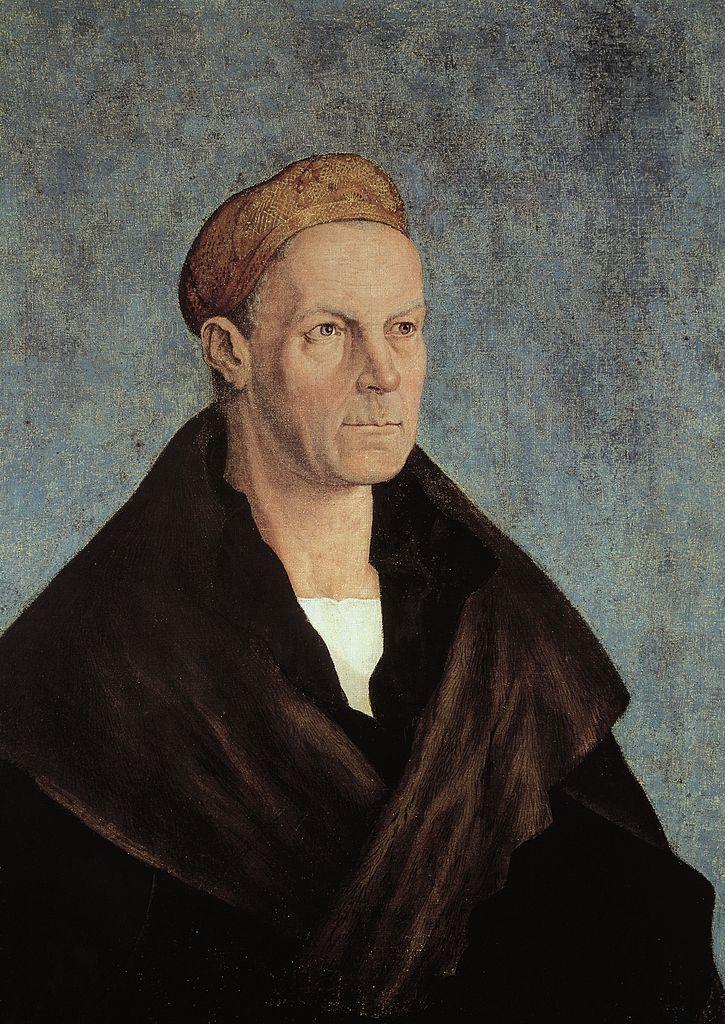
Peak net worth (adjusted to 2024): ~ $533 billion
Life: 1459 – 1525
Born in: Augsburg, Holy Roman Empire
Died in: Augsburg, Holy Roman Empire
Nationality: German
Source of wealth: Mining, Merchantry, Banking
2. Elon Musk
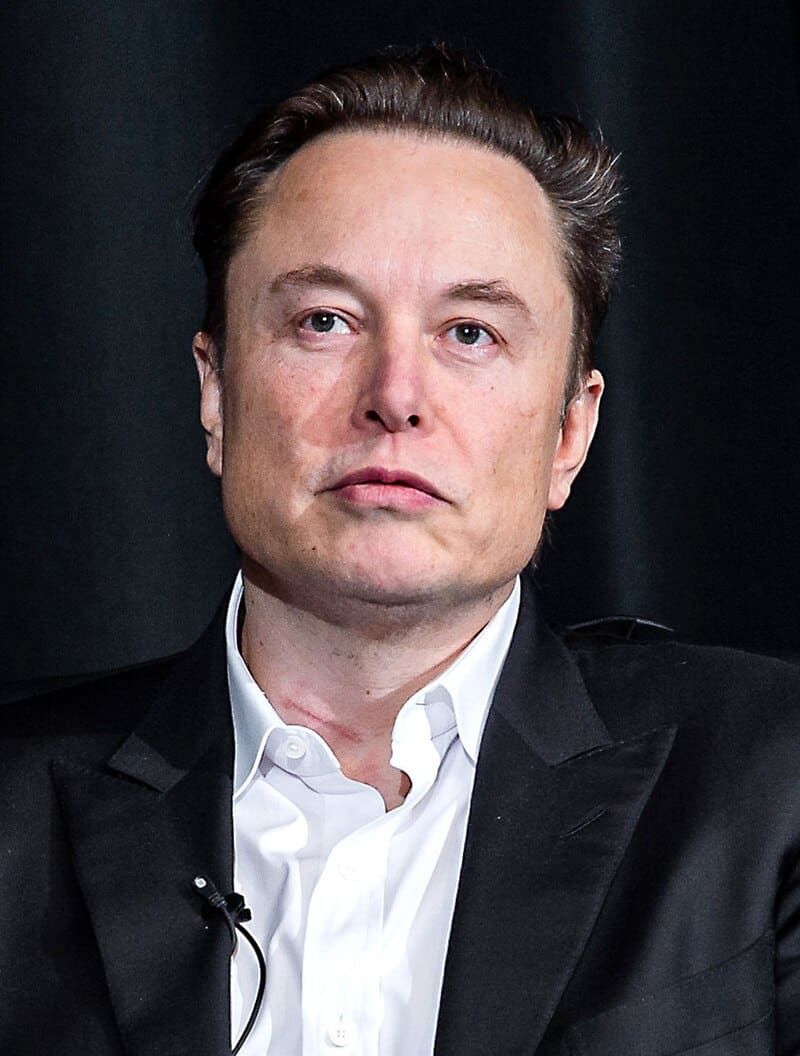
Peak net worth: ~ $465 billion
Life: 1971 – still alive
Born in: Pretoria, Transvaal, South Africa
Nationality: South African-Canadian-American
Source of wealth: CEO of Tesla, Inc., Owner of SpaceX, Co-Founder of PayPal
3. John Rockefeller
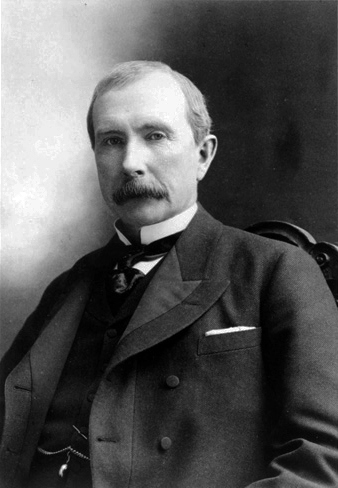
Peak net worth (adjusted to 2024): ~ $405 billion
Life: 1839 – 1937
Born in: Richford, New York, USA
Died in: Ormond Beach, Florida, USA
Nationality: American
Source of wealth: Founder of Standard Oil, Oil tycoon
4. Andrew Carnegie
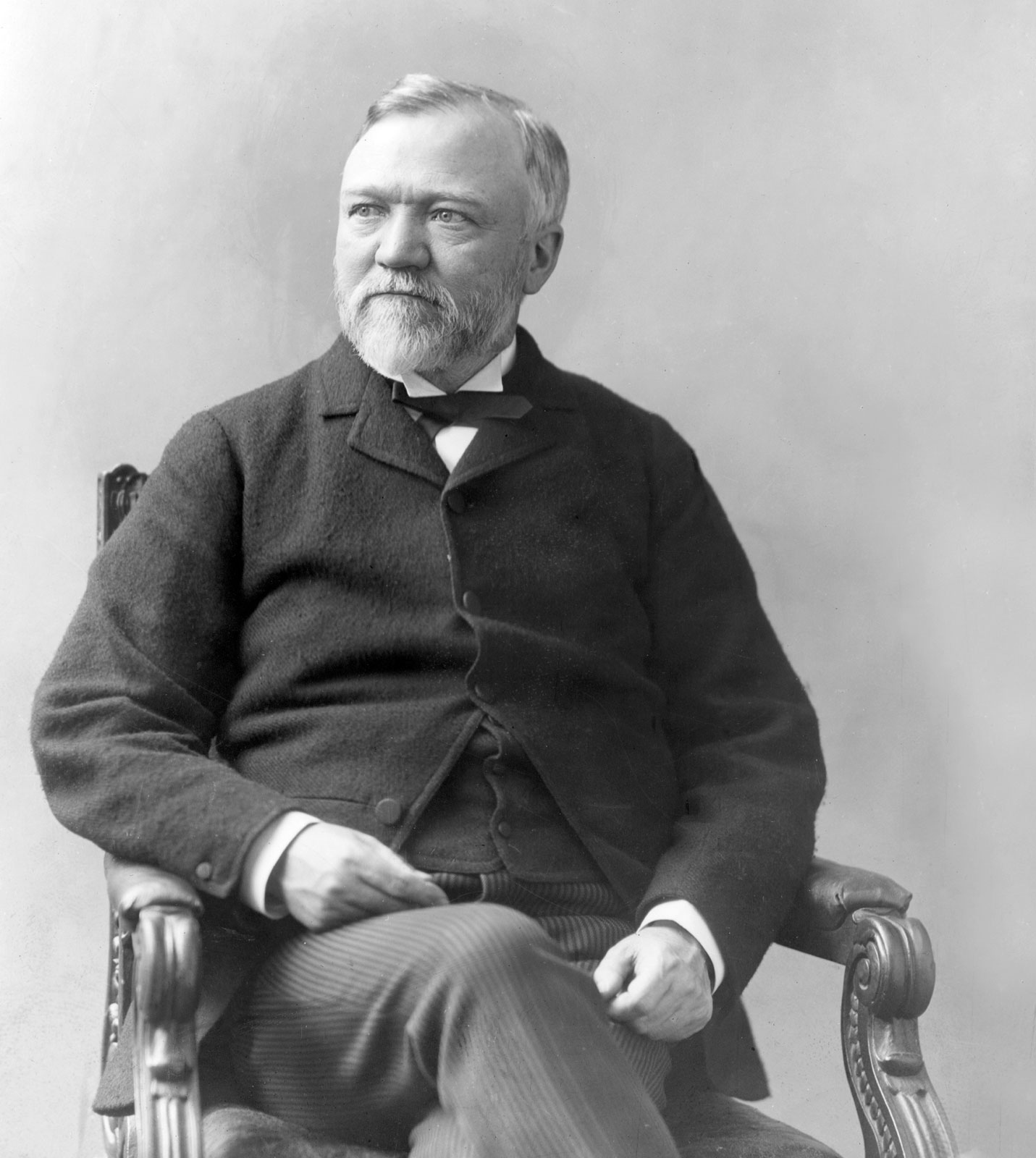
Peak net worth (adjusted to 2024): ~ $376 billion
Life: 1835 – 1919
Born in: Dunfermline, Scotland, UK
Died in: Lenox, Massachusetts, USA
Nationality: British-American
Source of wealth: Founder of Carnegie Steel Company, Steel tycoon, Railroad investments, Oil investments
5. Heshen

Peak net worth (adjusted to 2024): ~ $303 billion
Life: 1750 – 1799
Born in: Beijing, Great Qing
Died in: Beijing, Great Qing
Nationality: Chinese
Source of wealth: Corruption
6. Cornelius Vanderbilt

Peak net worth (adjusted to 2024): ~ $271 billion
Life: 1794 – 1877
Born in: Staten Island, New York, USA
Died in: New York City, New York, USA
Nationality: American
Source of wealth: Railroad tycoon, Water transportation tycoon
7. Alan Rufus
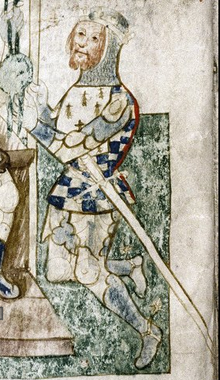
Peak net worth (adjusted to 2024): ~ $252 billion
Life: 1040 – 1093
Born in: Duchy of Brittany, Kingdom of France (exact place of birth unknown)
Died in: Kingdom of England (exact place of death unknown)
Nationality: Breton
Source of wealth: Companion of King William I. (a.k.a. “William the Conqueror”), Landlord
8. Jeff Bezos
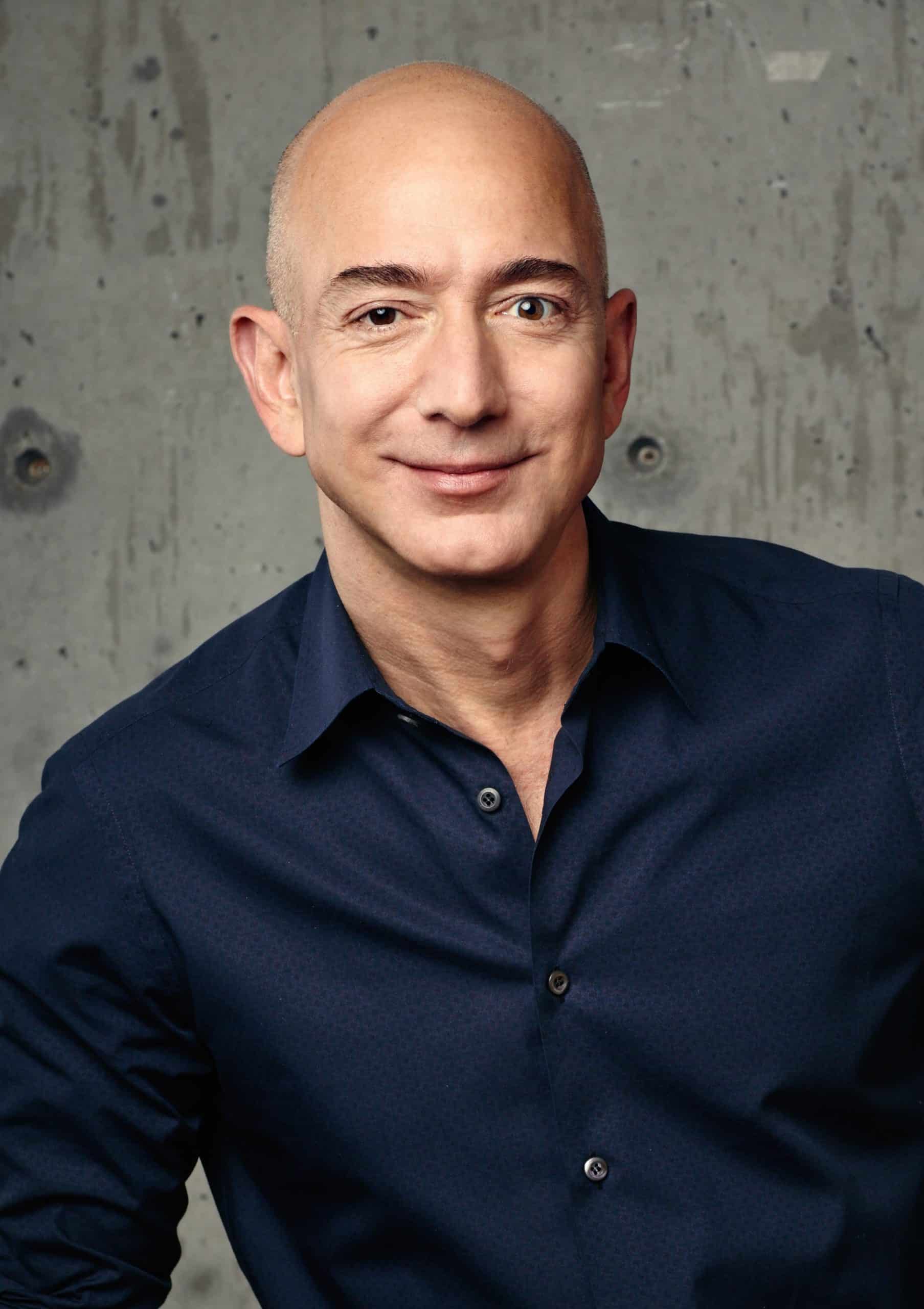
Peak net worth: ~ $246 billion
Life: 1964 – still alive
Born in: Albuquerque, New Mexico, USA
Nationality: American
Source of wealth: Founder of Amazon.com
9. John Astor
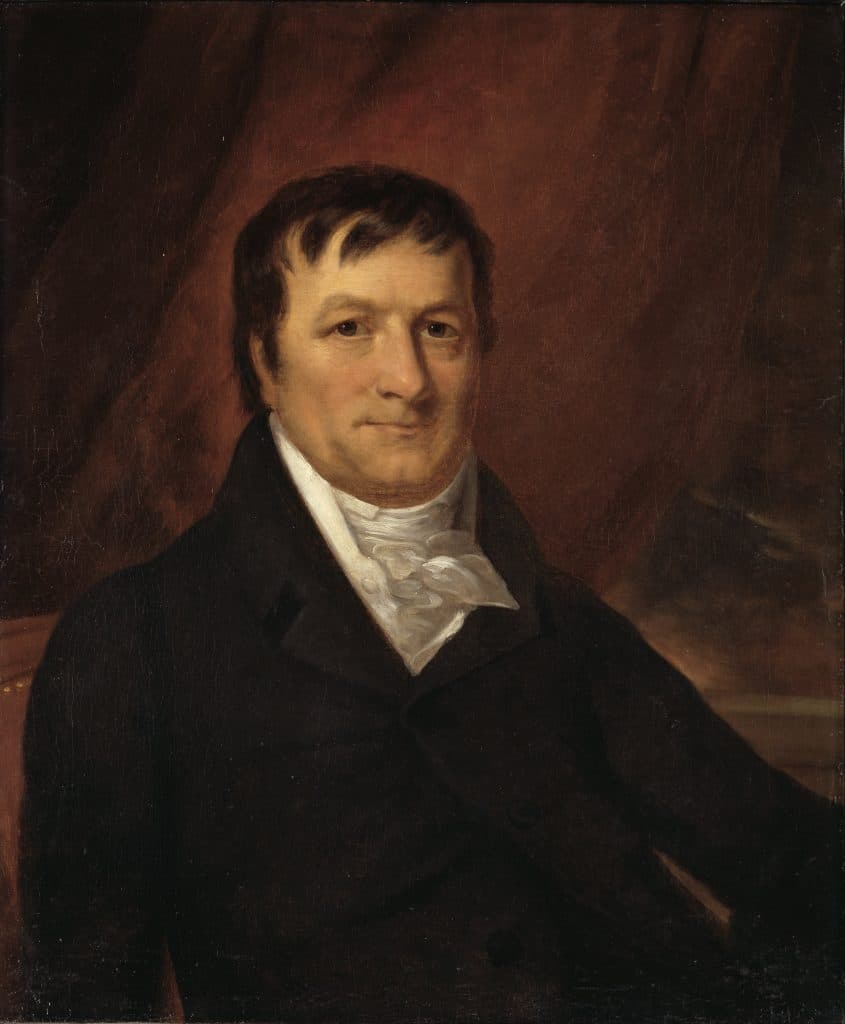
Peak net worth (adjusted to 2024): ~ $244 billion
Life: 1763 – 1848
Born in: Walldorf, Electorate of the Palatinate, Holy Roman Empire
Died in: New York City, New York, USA
Nationality: German-American
Source of wealth: Founder of American Fur Company, Fur tycoon, Real estate investments
10. Larry Ellison
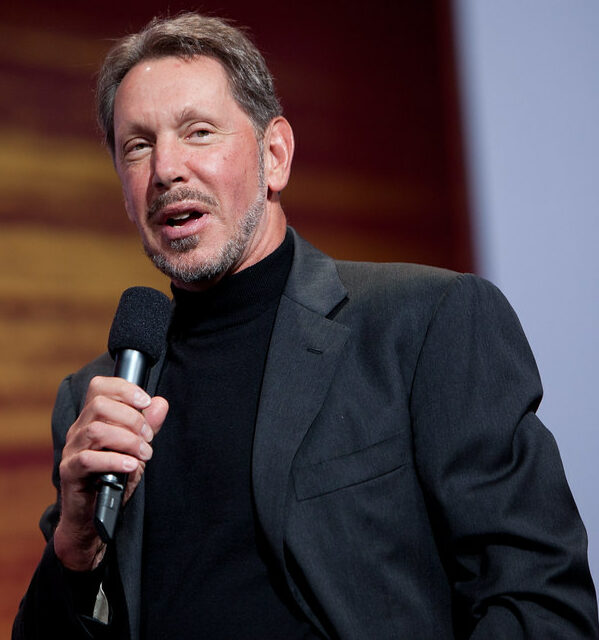
Peak net worth: ~ $236 billion
Life: 1944 – still alive
Born in: New York City, New York, USA
Nationality: American
Source of wealth: Co-Founder & CEO of Oracle Corporation, Tech investments, Real estate investments
The 10 Richest People of All Time
Throughout history, some individuals have amassed fortunes so vast that their wealth redefined the economic landscapes of their times. From medieval merchants and financiers who controlled kingdoms from behind the scenes to the bold entrepreneurs of the American Gilded Age, these are the people whose wealth shaped nations, transformed industries, and left enduring legacies.
This article ranks the ten richest people of all time based on their peak inflation-adjusted net worths. The ranking focuses exclusively on civilian individuals—excluding kings, emperors, presidents, and other rulers since there is no good way to estimate the wealth of these ruling figures throughout history realistically.
Among all non-kings and non-emperors, Jakob Fugger is the richest person to have ever lived. He possessed a total net worth of around 2.1 million guilders, which represented 2% of Europe’s entire GDP at the time and which corresponds to well over $500 billion today (2024). The German merchant was born on March 6, 1459, in the Free Imperial City of Augsburg, back then part of the Holy Roman Empire (modern-day Germany). Fugger’s father was already a successful merchant and the founder of what would become the Fugger dynasty. But it was Jakob Fugger who really made the Fugger name known in all of Europe and beyond.
The main part of Fugger’s wealth stemmed from mining and trading with medals, especially copper. Beginning in the 15th Century, copper had an increasing value as it was used for the production of various types of armory as well as kitchen appliances. Fugger recognized this trend and got heavily involved in the mining business. He loaned money to various mine owners in the region and in return demanded first buying rights for their metals.
This approach eventually gave Fugger almost total control of the metal trade within the Holy Roman Empire and all the way south to Rome itself. When it came to copper, Fugger even created a monopoly well beyond the borders of the Holy Roman Empire, reaching as far as Gdansk in the Kingdom of Poland.
Aside from his achieved dominance in mining and metal trading, Fugger also established himself as a banker. Fugger financed many members of the Habsburg family, most notably King Maximilian I. who, with Fugger’s help, rose to become the Holy Roman Emperor in 1508. Even the Vatican was in debt with Jakob Fugger. In fact, various noblemen, dukes, and kings all over Europe owed money to Fugger by the start of the 16th Century.
Despite his incredible wealth, Fugger was quite popular among the common population, first and foremost among the people of his hometown of Augsburg. In 1516, Fugger built the world’s first social housing complex in Augsburg. The houses were meant for poor Catholic citizens of Augsburg who were allowed to live there for an extremely low rent (1 guilder per year). The social housing complex called the Fuggerei, is still in place and active with the same rules and rent that were set by Fugger himself more than 500 years ago.
Fugger died on December 30, 1525, in his hometown. He was 66 years old. Since he remained childless, all his wealth was bequeathed to his oldest nephew Anton Fugger who continued his uncle’s legacy alongside his siblings, even expanding the family business to the “New World” in the Americas.
Elon Musk is the second richest person in history and currently the richest person still alive today, with a peak wealth of well over $400 billion (so far). This makes Musk also the by far richest person in the 21st Century as of now. Born on June 28, 1971, in Pretoria, South Africa, Musk was the eldest of three children. His father, Errol Musk, was an electromechanical engineer, while his mother, Maye Musk, worked as a model and nutritionist. Elon demonstrated a talent for technology early in life, teaching himself computer programming by age 12. He eventually created and sold his first software game, “Blastar,” for $500.
In 1989, at age 17, Musk moved to Canada, where he attended Queen’s University. Two years later, he transferred to the University of Pennsylvania in the United States, where he earned degrees in both economics and physics. Musk briefly attended Stanford University for a PhD in applied physics but dropped out after only two days, deciding instead to pursue opportunities in the growing tech industry in Northern California.
Musk’s first notable success came in 1999 when he co-founded X.com, an online payment company that later became PayPal. PayPal rapidly gained popularity as one of the first online payment platforms and revolutionized e-commerce by making transactions secure and easy. In 2002, PayPal was acquired by eBay for $1.5 billion in stock, making Musk one of the wealthiest young entrepreneurs of the dot-com era.
Using $100 million of his own money from the sale of PayPal, Musk then founded the space exploration company SpaceX in 2002, with the vision of reducing space transportation costs and eventually colonizing Mars. Despite numerous early failures, SpaceX became the first privately funded company to successfully launch, orbit, and recover a spacecraft in 2010. Two years later, it became the first private entity to send a spacecraft to the International Space Station. SpaceX’s reusable rockets have revolutionized the aerospace industry, drastically reducing the cost of space exploration, and becoming the world’s leading rocket and satellite launcher, surpassing even NASA in that regard.
In 2004, Musk also became involved in Tesla, an electric car company founded by engineers Martin Eberhard and Marc Tarpenning. Musk led an initial round of investment in the company, becoming its largest shareholder and eventually its CEO. Under his leadership, Tesla transformed from a niche electric car manufacturer into one of the world’s most valuable companies, producing millions of vehicles annually and pushing the automotive industry toward a future dominated by electric vehicles. Tesla’s success also turned Musk into a multi-billionaire.
In addition to SpaceX and Tesla, Musk has been involved in several other ventures aimed at transforming global infrastructure. He founded The Boring Company, which aims to solve urban traffic problems through underground tunnels. He also founded Neuralink, a neurotechnology company focused on developing brain-computer interfaces. In 2022, Musk acquired Twitter (now known as X), one of the world’s most popular social media platforms and websites.
As of 2024, Musk’s net worth is estimated to be over $300 billion, making him the fourth richest human in history. His wealth is largely tied to his stakes in Tesla and his ownership of SpaceX, both of which have skyrocketed in value over recent years. Musk’s ambitious ventures have not only made him incredibly wealthy but also redefined online payments, electric mobility, and especially space travel. He is not only the wealthiest but also one of the most influential humans of the 21st Century so far.
John Rockefeller is the third richest civilian in history. He also remains the richest American who has ever lived and was America’s first nominal billionaire. Rockefeller was born on July 8, 1839, in the small town of Richford in upstate New York. His father, William Rockefeller, was a shady traveling salesman who sold what he claimed to be “elixirs” to gullible buyers, earning himself the nickname “Devil Bill”. Rockefeller first started to work as a bookkeeper at the age of 16. At the age of only 20, Rockefeller then started his own business in the produce commission industry alongside his brother and a business partner.
But soon thereafter, in the 1860s, Rockefeller had a new field of interest: Oil, which he recognized as the most valuable resource of the near future. Rockefeller and his partners built their first oil refinery in Cleveland, Ohio in 1863. After the American Civil War, the Cleveland refinery was only one of five still active refineries in the United States.
In 1870, Rockefeller broke off his partnership and went on to found his own company Standard Oil. He secretly cut a deal with railroad providers who sharply increased the freight charges oil producers had to pay for the distribution of their product. The oil company therefore was able to quickly buy out competing oil refineries. Rockefeller’s Standard Oil became the by far biggest oil producer in the entire world.
At the start of the 20th Century, Rockefeller owned around 90% of the United State’s entire oil production which accounted for 85% of the world’s oil production at the time. This made Rockefeller the richest man in the world, amassing a peak wealth equivalent to roughly over $400 billion today, and around 2% of the USA’s entire GDP at the start of the 20th Century. In 1911, the Supreme Court of the United States deemed Standard Oil an illegal monopoly and made the company split into 34 independent companies. Many of those companies, such as ExxonMobil, Chevron, or ConocoPhillips, still belong to the biggest oil producers in America and in the world.
The forced break-up did not make Rockefeller any poorer. He was allowed to keep considerable shares in each of the companies which on average rose five times in worth. Rockefeller spent the last years of his life in Florida. He died on May 23, 1937, in Ormond Beach, Florida at the age of 97. He was married once and had 5 children.
Born on November 25, 1835, in the small town of Dunfermline, Scotland, Andrew Carnegie is the fourth richest non-ruler in human history and the richest non-royal British-born person of all time, with an inflation-adjusted peak wealth of around $380 billion. The Carnegie family came from a long tradition of Scottish weavers. After the economic situation of the Carnegies worsened, the family decided to immigrate to the United States in 1848 where they settled in Pittsburgh, Pennsylvania.
Andrew Carnegie got his first job at 14 when he became a telegraph messenger boy working for a telegraph company in Pittsburgh. At age 18, he was then employed by the Pennsylvania Railroad Company as a telegraph operator. With the help of his boss there, Thomas Scott, he became familiar with the world of investments. Carnegie first exclusively concentrated on the railroad industry, the first big industry in the United States. Later he would then also invest in several oil companies, recognizing the value the natural resource held for many industries of the future.
While already rich at that point, Andrew Carnegie rose to become one of the richest humans in history after he recognized the increasing value of another resource: Steel. Carnegie recognized that the rapidly growing United States would need a lot of steel for the many railroads, bridges, and buildings it planned to build. In 1892, he founded the Carnegie Steel Company which quickly became the largest steel producer in the United States and subsequently the biggest steel producer in the world. By the start of the 20th Century, the company had also become the most valuable company in the world.
Carnegie eventually sold his company to John Morgan (the founder of the investment bank J.P. Morgan) and the company became the United States Steel Corporation (commonly known as U.S. Steel) which still exists today. Carnegie spent the last 18 years of his life as a popular philanthropist. He used his money to build around 3,000 public libraries throughout the United States, United Kingdom, and Canada. He also invested in the arts, among other things, by building Carnegie Hall in New York City, one of the most prestigious concert halls in the world.
He also heavily invested in the American education system, among others founding the Carnegie Institute of Technology in Pittsburgh (now known as the Carnegie Mellon University). Carnegie was also involved in many social causes. He was a strong opponent of racial segregation and of the increasing American imperialism at the beginning of the 20th Century. Likewise, Carnegie was critical of the Royal family of his British country of birth and praised American Republicanism.
Andrew Carnegie suffered bronchial pneumonia and died on August 11, 1919, in Lenox, Massachusetts. where he had moved two years earlier. He was 83 years old. He left behind his wife (married in 1887) and his only child, a daughter (born in 1897).
The fifth richest person of all time is Heshen, also known as He Shen. Heshen is notorious for his unparalleled corruption during China’s Qing Dynasty. Born in 1750 in Beijing, Heshen’s rapid ascent in the Chinese imperial court was marked by favoritism from Emperor Qianlong who named him China’s Grand Councillor in 1776 leading to his control over significant governmental functions. This authority enabled him to embezzle vast sums of tax money, amassing a fortune worth around 15 years of China’s state revenues.
Following Emperor Qianlong’s death, Heshen’s corruption was exposed and he was subsequently arrested by Emperor Jiaqing on charges of corruption and abuse of power. The investigation into his corruption disclosed that Heshen embezzled around 1.1 billion taels of silver, stored in around 3,000 rooms. He also invested part of the silver he stole into real estate owning around 1,000 houses for rent and over 1,200 hectares of land. As punishment, Heshen was forced to commit suicide in 1799 and his assets were confiscated by the state.
Heshen’s wealth accumulation is unprecedented in history for a government official. Heshen’s legacy thus remains an extreme symbol of governmental corruption and the dangers of unchecked power, as well as a symptom of the financial troubles and looming downfall of China’s Qing Dynasty after it reached its peak in the late 1700s.
Cornelius Vanderbilt, the sixth richest person in history, was a key figure in the development of the American transportation industry, particularly in railroads. Born on May 27, 1794, in Staten Island, New York, Vanderbilt came from a modest background. His father was a poor Dutch immigrant farmer and boatman, and Vanderbilt showed a strong work ethic from an early age. By the age of 11, he had left school to work alongside his father, and by the age of 16, he borrowed $100 from his mother to buy his first ferry boat, beginning his career in the water transportation industry.
Vanderbilt initially focused on ferrying passengers and cargo around New York Harbor. He quickly gained a reputation for being tough, shrewd, and fiercely competitive, traits that would define his business career. During the War of 1812, Vanderbilt earned significant income by transporting supplies for the government, which allowed him to expand his fleet. Over the following decades, he built a successful steamship business, challenging the monopoly held by other shipping magnates and earning the nickname “Commodore”.
While already fairly rich at the time, Vanderbilt amassed most of his fortune in the 1840s, when he turned his attention to railroads, recognizing their potential to transform transportation across the United States. He began by investing in rail lines in the Northeast and eventually took control of the New York and Harlem Railroad, the Hudson River Railroad, and the New York Central Railroad. Under Vanderbilt’s leadership, these railroads were consolidated into one of the most efficient and profitable transportation networks in the country, contributing significantly, more than any other single individual, to the railroad development in the quickly expanding United States.
Vanderbilt was known for his ruthless business tactics, often undercutting competitors to drive them out of business and using his influence to shape the transportation industry to his advantage. Despite his reputation as a hard-nosed businessman, Vanderbilt made significant contributions to the development of American infrastructure, helping to lay the foundation for the country’s rapid industrial growth in the late 19th century. This turned Vanderbilt into one of America’s first self-made (inflation-adjusted) billionaires and the richest civilians of the 19th Century.
Later in life, Vanderbilt began to focus more on philanthropy, particularly in education. In 1873, he donated $1 million to found Vanderbilt University in Nashville, Tennessee, which remains one of the leading universities in the American South. Cornelius Vanderbilt died on January 4, 1877, at the age of 82. He had 13 children and left the majority of his fortune to his eldest son, William Vanderbilt (see above), who continued to further expand the family’s wealth and influence in the railroad industry.
Alan Rufus, also known as Alan the Red, is the seventh richest person in history. He was a Breton nobleman and a key figure in the Norman Conquest of England. Born around 1040 in Brittany, France, Alan was the second son of Eozen Penteur, Count of Penthièvre, and Orguen Kernev. His early life in Brittany laid the foundation for his future prominence in England.
In 1066, Rufus joined his second cousin William I., better known as William the Conqueror, in the invasion of England. His participation in the Battle of Hastings, the most important one in the invasion, was instrumental, and as a reward for his service, William granted him extensive lands in England after being crowned the new King of England. By 1071, Alan had been granted the Honour of Richmond in North Yorkshire, immediately making him one of the most powerful landowners in the country.
By 1086, he was listed as a lord or tenant-in-chief in 1,017 entries in the Domesday Book, ranking just behind King William I himself and Robert, Count of Mortain, in the number of holdings. Unlike the latter, Rufus remained loyal to King William II., son of The Conqueror, and did not participate in the 1088 revolt against him orchestrated by Robert and his brother Odo. Through his ownership of the highly valuable lands in England’s North, Rufus amassed a tremendous wealth over the years, equivalent to nearly 10% of England’s entire economic output at the time.
Alan Rufus also made significant contributions to religious and civic life. He co-founded St. Mary’s Abbey in York in early 1088 and began the construction of Richmond Castle, which became a symbol of Norman authority in the region, and persuaded King William II. to establish England’s first parliament. He died in 1093, leaving behind a legacy of military prowess, significant contributions to the Norman establishment in England, and one of the greatest wealth ever amassed by a non-king.
Jeff Bezos, the eighth richest person of all time with a peak net worth of over $240 billion so far, is widely known for revolutionizing e-commerce and transforming the way people shop. Born on January 12, 1964, in Albuquerque, New Mexico, Bezos was adopted by his stepfather, Miguel Bezos, after his biological father left when he was a young child. Bezos showed an interest in technology and science from an early age, eventually graduating from Princeton University in 1986 with degrees in electrical engineering and computer science.
Bezos originally started his career in finance, working at various firms on Wall Street. After recognizing the potential of the Internet, Bezos left his job as an investment banker and instead founded Amazon in 1994, now known as Amazon.com. Originally an online bookstore, Amazon quickly expanded into a massive e-commerce platform selling almost anything imaginable all around the world. Bezos’s vision for Amazon was to create the “everything store,” and his relentless focus on customer satisfaction and innovation eventually turned Amazon into the world’s largest online store and one of the largest companies in the world.
In addition to Amazon, Bezos founded Blue Origin in 2000, a private aerospace manufacturer and spaceflight services company, that sells private travel to space and aims to make space travel more accessible. Bezos also acquired The Washington Post in 2013, one of the biggest newspapers in the world. Bezos stepped down as CEO of Amazon.com in 2021 to focus on other ventures, including Blue Origin and philanthropy. However, most of his wealth is still tied to his holdings in Amazon.com, which has become a dominant force not only in e-commerce but also in cloud computing and digital streaming.
Jeff Bezos’s impact on global commerce has changed the global retail industry and left an enduring mark on modern society in general, making Bezos not only one of the wealthiest individuals in human history but also one of the most influential humans in the 21st Century.
John Astor is the ninth richest person in history and is also considered the first self-made multimillionaire (and inflation-adjusted billionaire) in America. Born on July 17, 1763, in the small town of Walldorf, Germany, Astor first emigrated to the United Kingdom alongside his brother where he learned English before both of them eventually settled in the United States in 1784 after the USA gained its independence from the UK, seeking new opportunities in a rapidly growing nation. He initially worked as a butcher in New York City. Due to a chance meeting with a wealthy fur trader, Astor quit his job in the butcher shop and began trading furs.
Furs were highly sought after among the richer classes in Europe back then and Astor recognized the business opportunity in that fashion trend. He began trading furs with Native American tribes in the Great Lakes region and quickly established a lucrative fur export business. In 1808, he founded the American Fur Company, which soon became the largest and most powerful fur trading enterprise in the world, even expanding to Chinese markets. His company achieved a fur monopoly and played a significant role in expanding America’s influence in the Western territories in North America. Astor became known for his shrewd business tactics and his ability to navigate the complex relationships between Native American tribes, European traders, and the US government.
The demand for furs in Europe started to decline by the 1830s, which Astor correctly anticipated. He left his own company in 1830 before revenues declined, selling his interests in the company. Instead, Astor began focusing on real estate, once again correctly anticipating the rapid growth New York City would experience in the mid-half of the 19th Century. He began purchasing massive amounts of land in Manhattan, amassing an extensive real estate portfolio. He owned most of the most valuable properties in New York by the time of his death.
Aside from his business ventures, Astor also philanthropically contributed to New York City’s development, donating part of his fortune to what would later become the New York Public Library. He also consistently donated money to the German Society of New York City and founded an orphanage in his hometown of Walldorf in Germany.
Astor died in 1848 in New York City. His foresight in the global fur trade and real estate investment in New York City laid the foundation for future generations of his family to continue building wealth, and members of the Astor family continue being wealthy to date.
Larry Ellison is the tenth richest person in history, with a peak net worth of over $230 billion so far. Born on August 17, 1944, in the Bronx, New York City, Ellison’s early life was characterized by hardship. His biological mother, an unmarried teenager, gave him up for adoption, and he was raised by his aunt and uncle in a modest neighborhood in Chicago. Despite a tumultuous upbringing, Ellison showed an early aptitude for science and mathematics, although he dropped out of both the University of Illinois and the University of Chicago without earning a degree.
In 1966, Ellison moved to California, drawn by the burgeoning technology scene in Silicon Valley. He took various programming jobs, eventually landing at a company called Ampex, where he worked on a database project for the CIA, codenamed “Oracle”. This experience laid the foundation for what would become his defining business venture. In 1977, Ellison co-founded Software Development Laboratories (SDL) with Bob Miner and Ed Oates, with an initial investment of $2,000. SDL was later renamed Oracle Corporation, after the CIA project, and it quickly became a leader in the field of database management software.
Oracle’s flagship product, the Oracle Database, was one of the first to support the Structured Query Language (SQL), which allowed for efficient data management and retrieval. This innovation was pivotal in the early years of the digital age, as companies increasingly relied on databases to manage their growing volumes of information. Oracle went public in 1986, and under Ellison’s leadership, the company grew into one of the largest software companies in the world, specializing in database technology, cloud computing, and enterprise software. By the late 1990s, Oracle had become a cornerstone of the enterprise software industry, providing essential tools for businesses and governments around the globe.
Ellison’s approach to business was often aggressive, and he was known for his fierce competitiveness. This approach helped Oracle become one of the most dominant companies in the software industry. Throughout his career, Ellison has been at the forefront of major technological shifts, including the transition to cloud computing. He played a key role in Oracle’s acquisition strategy, buying promising companies like PeopleSoft, Siebel Systems, and Sun Microsystems to expand Oracle’s offerings, which has allowed the company to maintain its competitive edge over decades to date.
Ellison’s wealth largely comes from his stake in Oracle, but also from numerous successful investments in other ventures, including a significant share in Tesla, where he served on the board of directors for several years. In addition to his involvement in the technology sector, Ellison has also invested heavily in real estate. He owns a vast collection of properties, including nearly the entire Hawaiian island of Lanai, which he purchased in 2012 for an estimated $300 million.
Note: Kings/Emperors or other rulers of a country/empire/tribe/people were not considered for this ranking since their wealth is not measurable in any convincing way. The Top 10 richest people of all time ranked here all owned their wealth not through their position as rulers and de facto owners of a country/people, but because they accumulated it as private citizens. Noblemen are eligible in the ranking, however.
Sources for Ranking:
“The Richest Man Who Ever Lived” (book by Greg Steinmetz), American Heritage Magazine, Forbes, Min.News, Bureau of Labor Statistics


